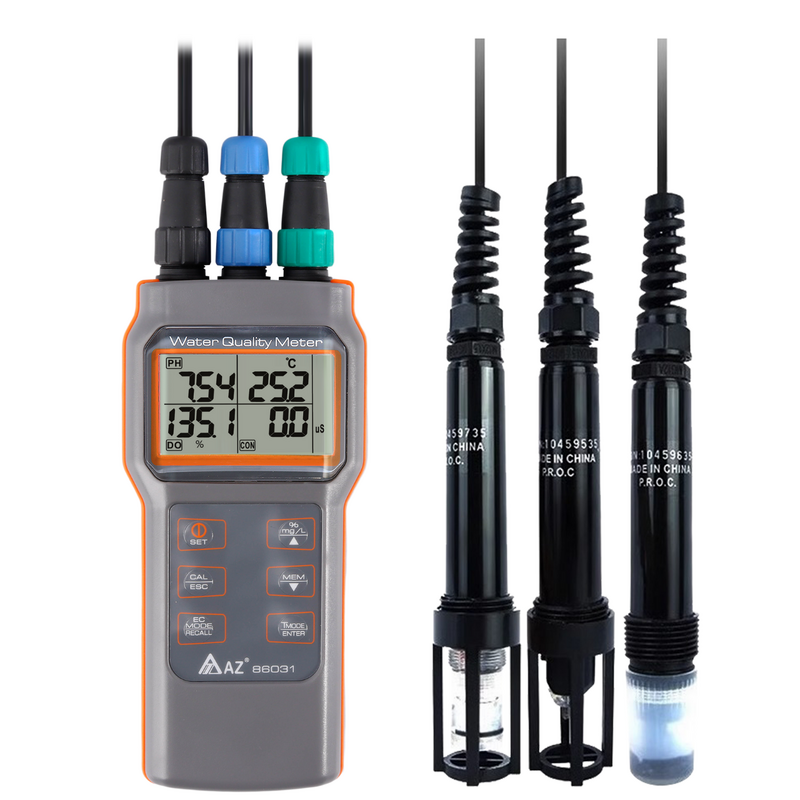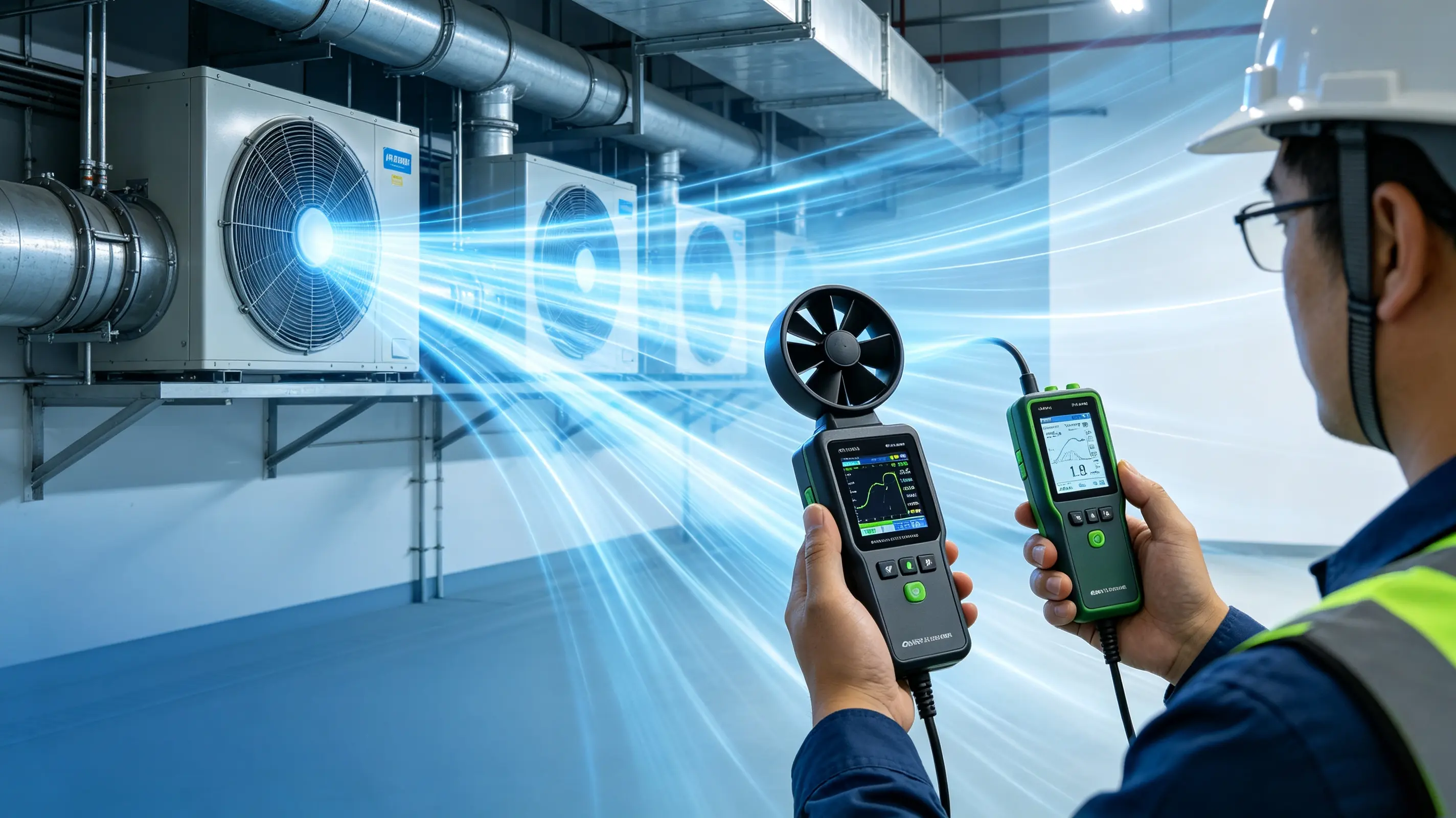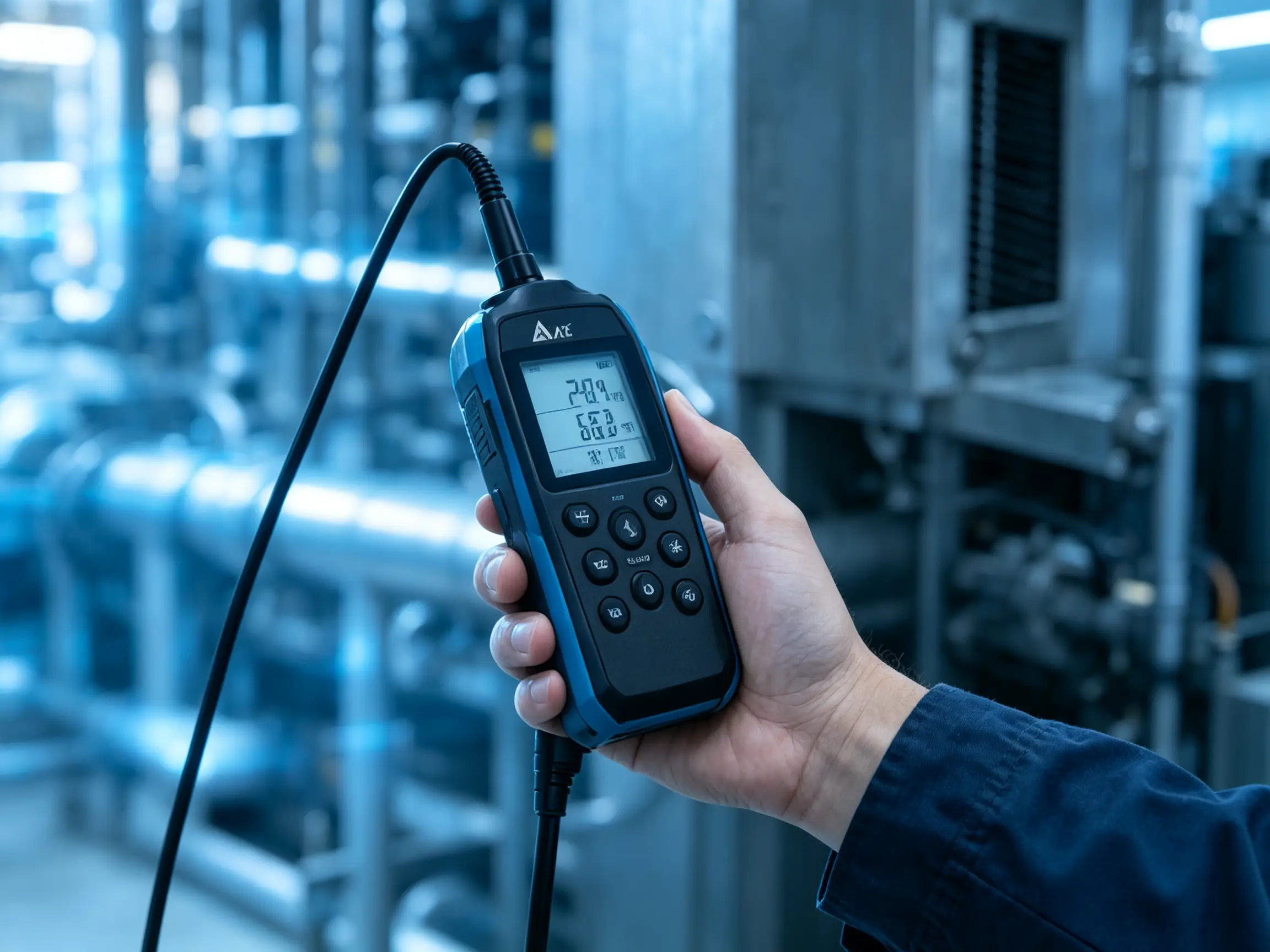
Recently, I’ve been talking with customers working in HVAC, industrial testing, laboratories and environmental monitoring.
One small change has caught my attention.
A few years ago, one of the first questions was usually:
“How accurate is it?”
That question is still important.
But now I’m hearing another one more often:
“Can it record the data?”
At first, it sounds like a simple feature request.
But after talking with more customers, I think there is a practical reason behind it.
Is the Measurement Really the End?
In many applications, taking the measurement is only the first step.
An HVAC technician may need to check temperature, humidity, airflow or pressure at different points. In a factory, a QC team may need to take measurements across a production area.
If the job is simply to check a reading on the spot, that’s easy.
But what if the result needs to go into a report?
What if a customer wants to see the data?
Or someone needs to check the same measurement a few weeks later?
Then the question changes.
It’s no longer just about getting a number from the instrument.
People also want to know:
When was it measured?
How many readings were taken?
Where is the data now?
Can it be exported?
That’s one reason I’ve been hearing more questions about data logging.
Not Every Application Needs Data Logging
Of course, I don’t think every measurement instrument needs to have every possible data feature.
If a technician just needs to check a temperature during a service visit, a reliable handheld instrument that is quick and easy to use may be the better choice.
There is no point adding features that the user will never need.
But things are different when the job involves continuous monitoring or a large number of measurements.
If someone needs to take dozens or hundreds of readings in a day, automatically recording the data can save quite a bit of manual work.
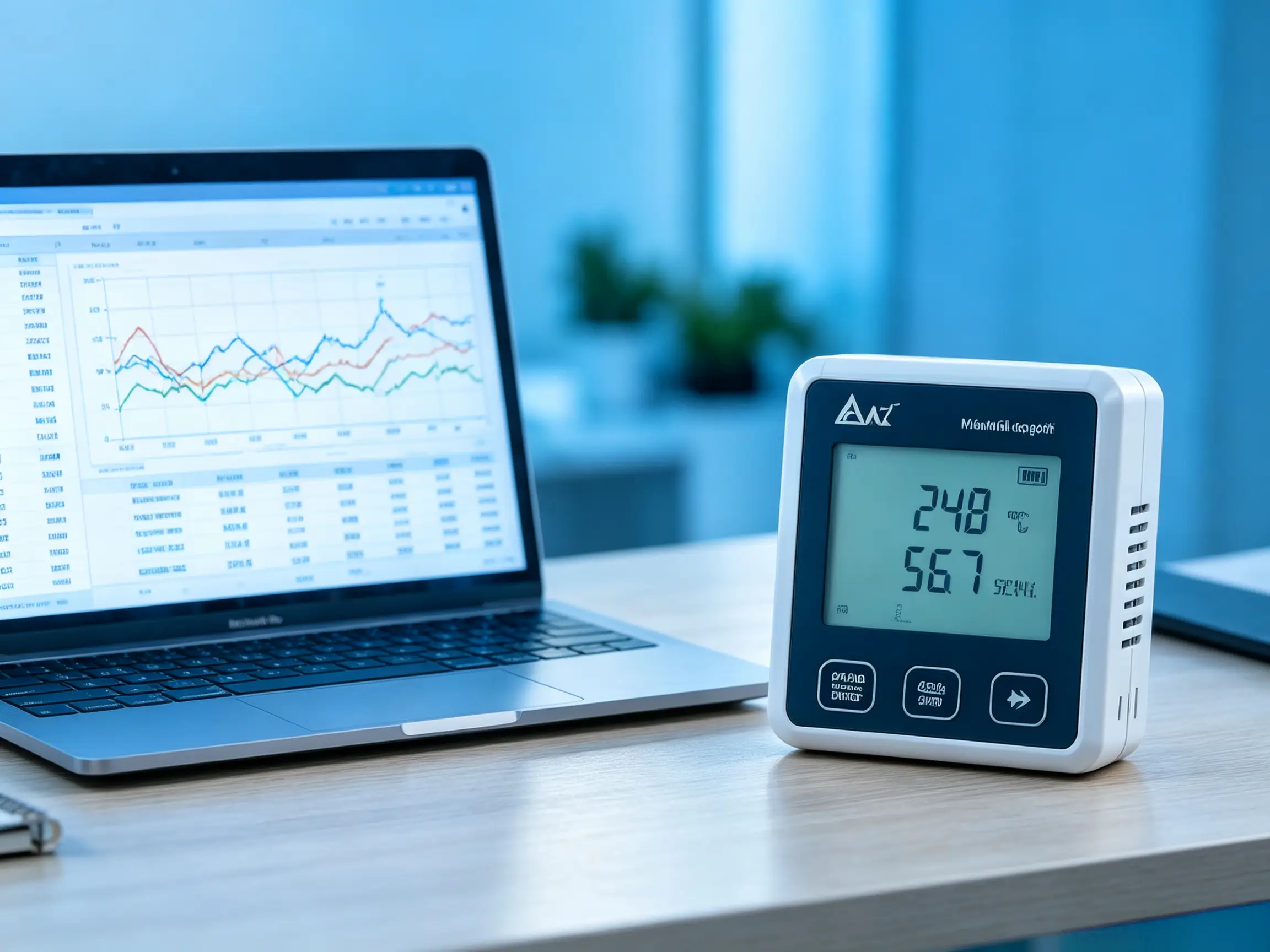
And in some applications, the data eventually needs to be transferred to a computer for review or analysis.
Why Is Keeping the Data Becoming More Useful?
I think one practical reason is that measurement results are increasingly being used by more than just the person holding the instrument.
A reading taken today may be reviewed by a QC team tomorrow, included in a customer report next week, or compared with new measurements a month later.
This can happen in environmental monitoring, water quality testing, manufacturing QC and many other applications.
The measurement is no longer just a number on a screen.
It becomes part of a record.
So when a customer asks, “Can it record the data?”, I now tend to see it as a slightly bigger question:
“Will we need to use this measurement again later?”
If the answer is yes, then data logging, data export and measurement history are worth thinking about.
A Few Things to Ask Before Buying
If you’re sourcing a measurement instrument, accuracy, range and price are still important.
But I’d also look at a few practical questions:
- Is this a one-time field measurement or ongoing monitoring?
- How many readings will you need to take?
- Will the data need to be exported?
- Do you need to keep historical records?
- Will the results be used for QC, reporting or audits?
Sometimes these questions are more useful than simply comparing a list of specifications.
It’s a Small Change, But I’ve Been Seeing It More Often
I don’t know if this is happening across every part of the measurement instrument market.
But from the customer conversations I’ve had recently, the question is definitely coming up more often.
Customers still want accurate instruments.
They just seem to be thinking a little more about what happens after the measurement.
For a simple field check, a good, reliable instrument may be all that is needed.
But when the job involves QC, long-term monitoring, reporting or traceability, being able to keep the measurement data can make a real difference.
That’s one small detail I’ve started paying more attention to when looking at measurement instruments.