
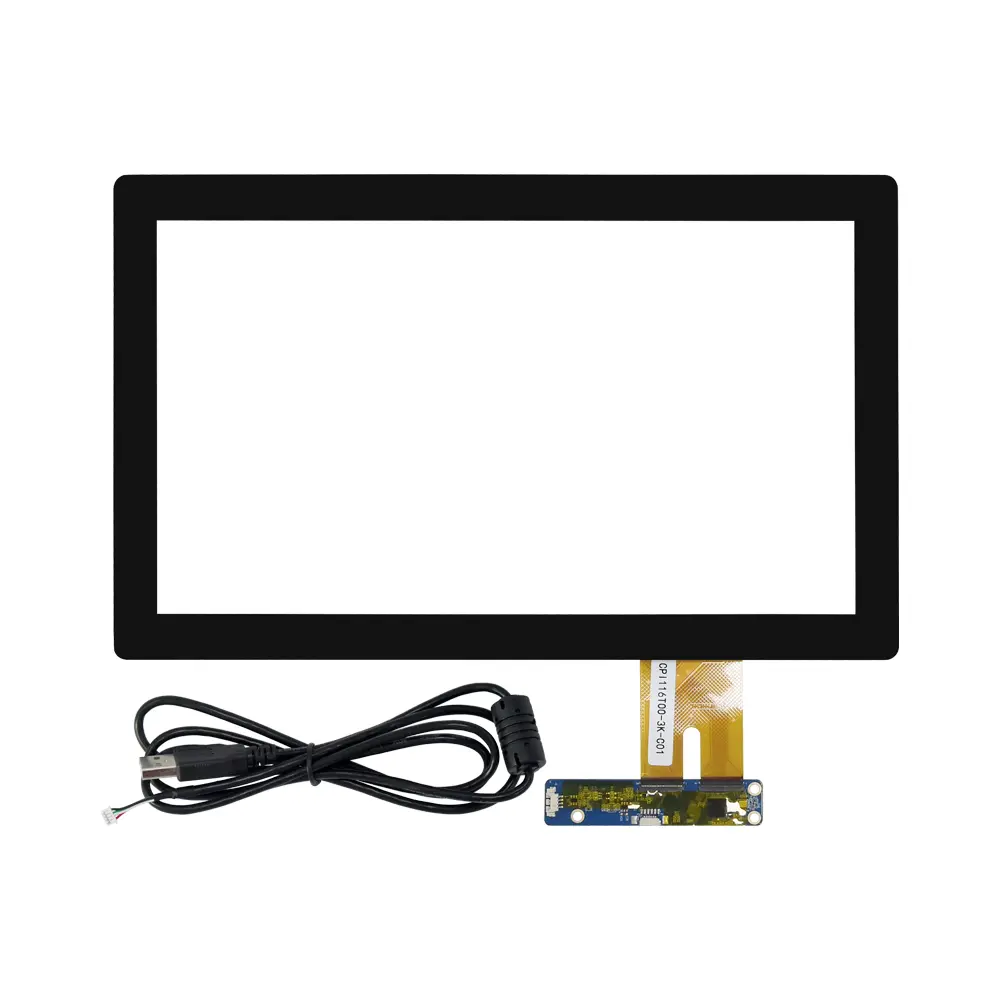
At Gerteise, we’ve spent years refining exactly that: a transparent PCAP touch film so thin and so clear, you forget it’s there—until the surface beneath your fingertip responds like magic.
What Is PCAP Touch Film, Really?
PCAP stands for Projected Capacitive—the same technology inside your smartphone, but reimagined as a flexible, self-adhesive film. Instead of being embedded in a rigid display module, our touch film is an independent sensor layer that adheres to the rear of glass or acrylic.
The result? The front surface becomes a fully interactive smart interface. Your finger never touches the electronics. The sensor never sees the outside world. Yet every tap, swipe, pinch, and gesture registers with pixel-perfect precision.
One bare-hand touch, and the surface comes alive. No buttons. No remote. No exposed hardware.
Why This Changes Everything
Traditional touch solutions force you to choose between aesthetics and functionality. PCAP touch film refuses that trade-off. Here’s what makes it different:
Bare-Hand Interaction, Naturally
No stylus. No gloves. No pressure. The film detects the natural electrical conductivity of your bare finger through glass up to 10mm thick or acrylic up to 6mm. The experience is as fluid and intuitive as touching your phone—because it is the same technology.
Any Size, Any Shape
From compact 10” prototypes to expansive 98”+ custom installations. Curved glass? Stretched aspect ratios? Circular displays? The film conforms to your design, not the other way around. We cut, shape, and calibrate each layer to your exact substrate specifications.
Invisible Integration
With >90% optical clarity, the film is virtually invisible. Because it sits behind the substrate, the front surface stays pristine—no bezels, no borders, no visual clutter. For architects and designers, this means touch capability without compromising the visual integrity of the space.
Plug-and-Play Simplicity
USB HID compatible. Connect it, and it works. Windows, Android, Linux—no custom drivers, no firmware headaches, no integration nightmares. Your software sees it as a standard multi-touch input device. Your users see it as magic.
Durability by Design
Because the sensor lives behind the glass, it is inherently protected from scratches, weather, vandalism, and daily wear. Surface hardness ≥6H. Operating range: -10°C to +60°C. Humidity resistance up to 85% RH. The touch layer outlasts the surfaces it transforms.
Where It’s Already Making an Impact
Retail & Hospitality
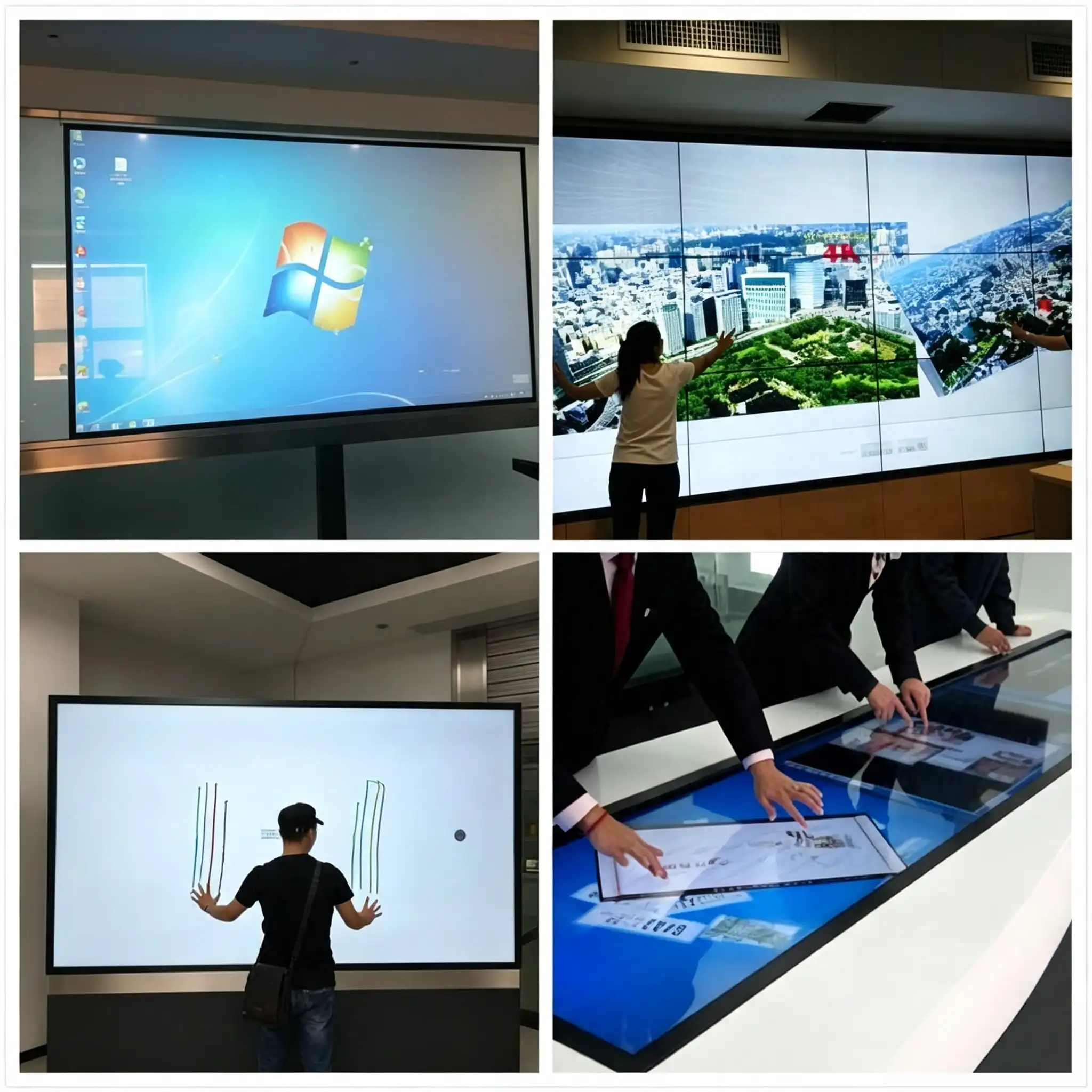
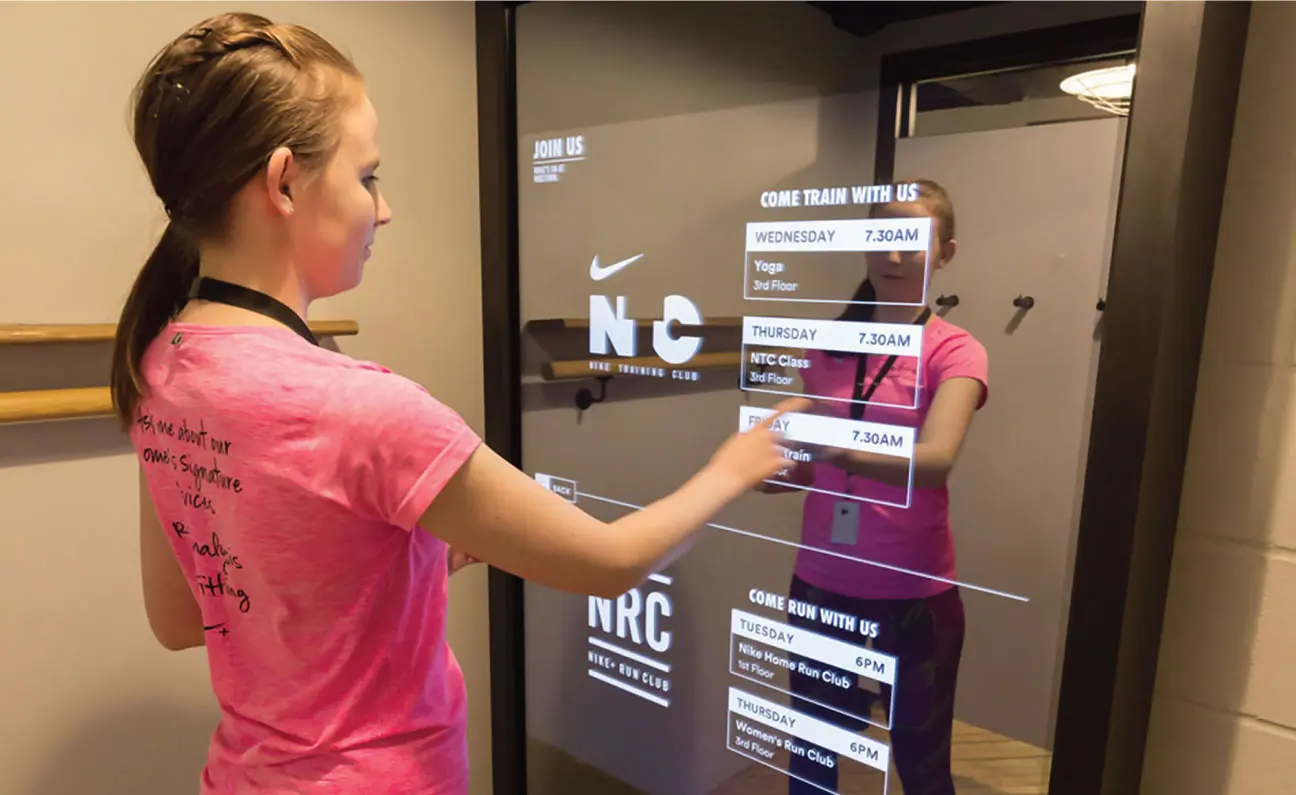
Storefront windows become 24/7 interactive product catalogs. Passersby browse inventory, watch demos, and place orders—all through the glass, even when the store is closed. No bulky kiosks taking up floor space. No screens blocking the view. Just glass that responds.
Museums & Exhibitions
Imagine a transparent display floating in front of a priceless artifact. Visitors reach out and manipulate digital overlays—zooming into details, rotating 3D models, exploring timelines—without ever endangering the physical object. The film turns conservation into conversation.
Corporate & Education
Conference tables become collaborative canvases. Whiteboards become touch-enabled brainstorming walls. Training rooms transform into interactive environments where teams manipulate data, annotate documents, and present ideas with their hands, not clickers.
Healthcare & Public Services
In hospitals, clinics, and government offices, hygiene is non-negotiable. Through-glass touch terminals keep the sensor sealed behind protective glass while users interact from the front. Easy to sanitize. Impossible to tamper with. Always operational.
Automotive & Transportation
Car showrooms let customers configure vehicles through a glass barrier. Airports and train stations deploy interactive wayfinding on architectural glass walls. The film turns infrastructure into information.
How It Works (Without Getting Too Technical)
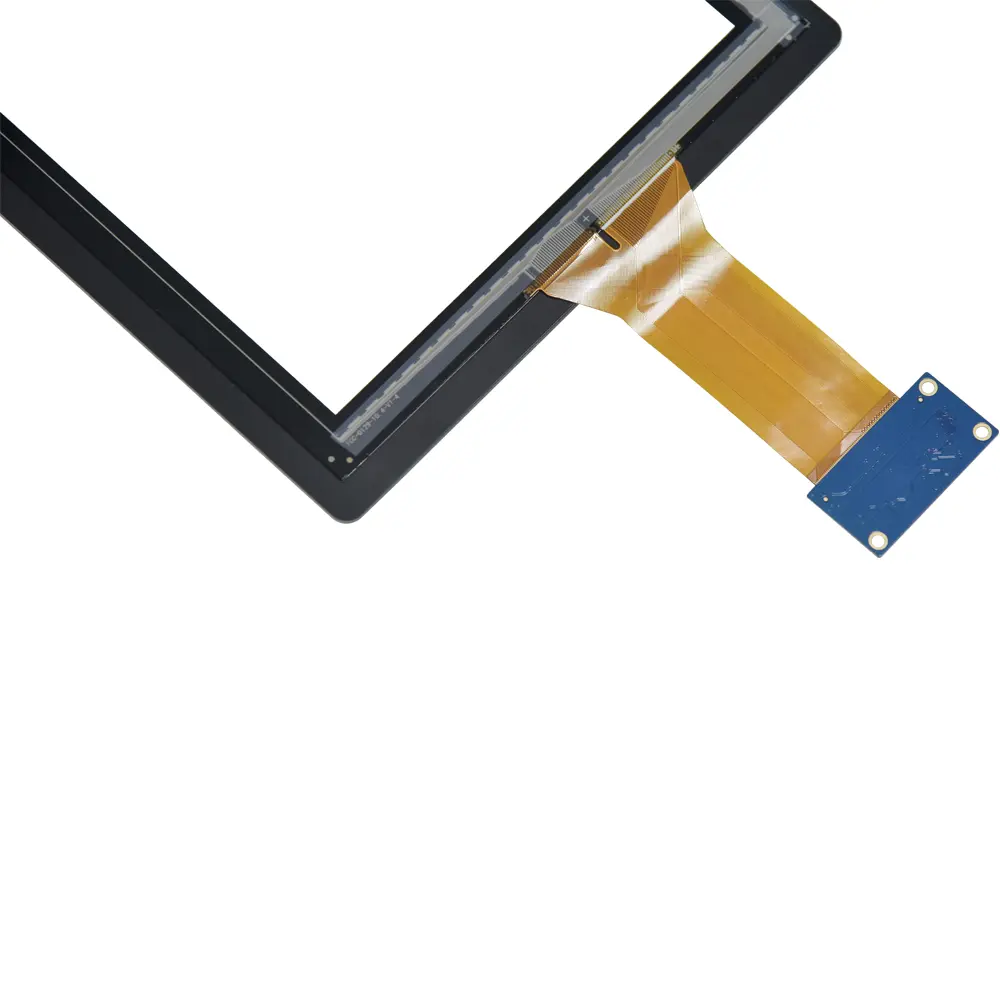
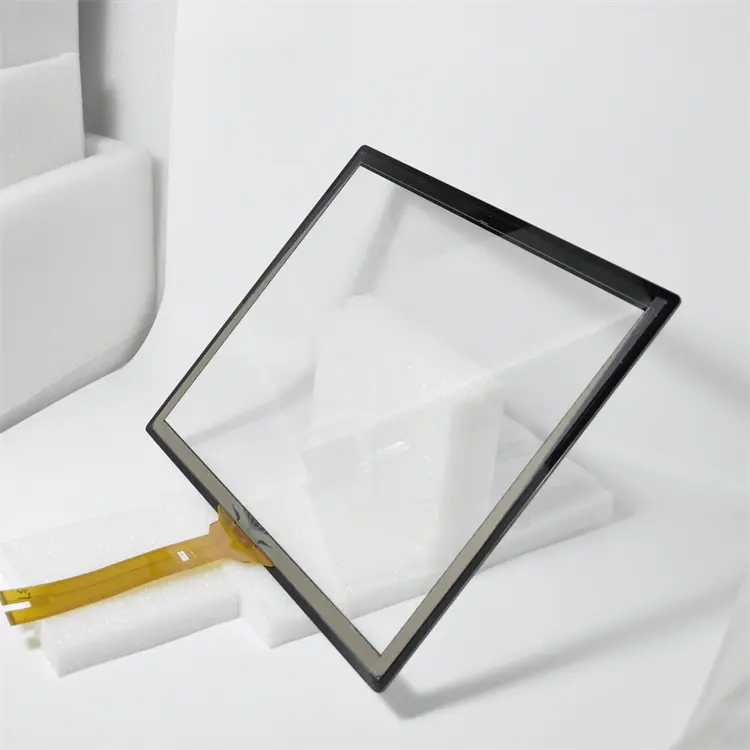
Inside the film, a micro-grid of transparent conductive electrodes creates an electrostatic field. When your finger approaches, it disrupts that field at specific X-Y coordinates. The controller board—connected via a slim FPC ribbon—calculates the touch position with sub-millimeter accuracy and reports it to your system as standard HID input.
Standard configurations support up to 10 simultaneous touch points. For collaborative environments, 40-point options are available. The entire stack—film + controller + USB cable—adds less than 2mm to your substrate depth.
From Prototype to Production
Every project starts with a conversation. Tell us your display size, glass thickness, curvature, and application. We’ll recommend the right film grade, calibrate the controller, and ship a prototype sample for validation. Once approved, we scale to volume production with consistent quality and competitive pricing.
Because we manufacture the touch layer independently of the display, you maintain full freedom to source screens, projectors, or transparent OLEDs from any vendor. We simply make the surface smart.
**Ready to make any surface smart?**Submit your project details at gerteise.com/touch-film. Our engineering team will review your specifications and deliver a tailored recommendation within two business days—complete with prototype samples, custom sizing options, and volume pricing.
The future of interaction isn’t inside a screen. It’s on the surface you’re already looking at.