What Are Precision Measurement Instruments?
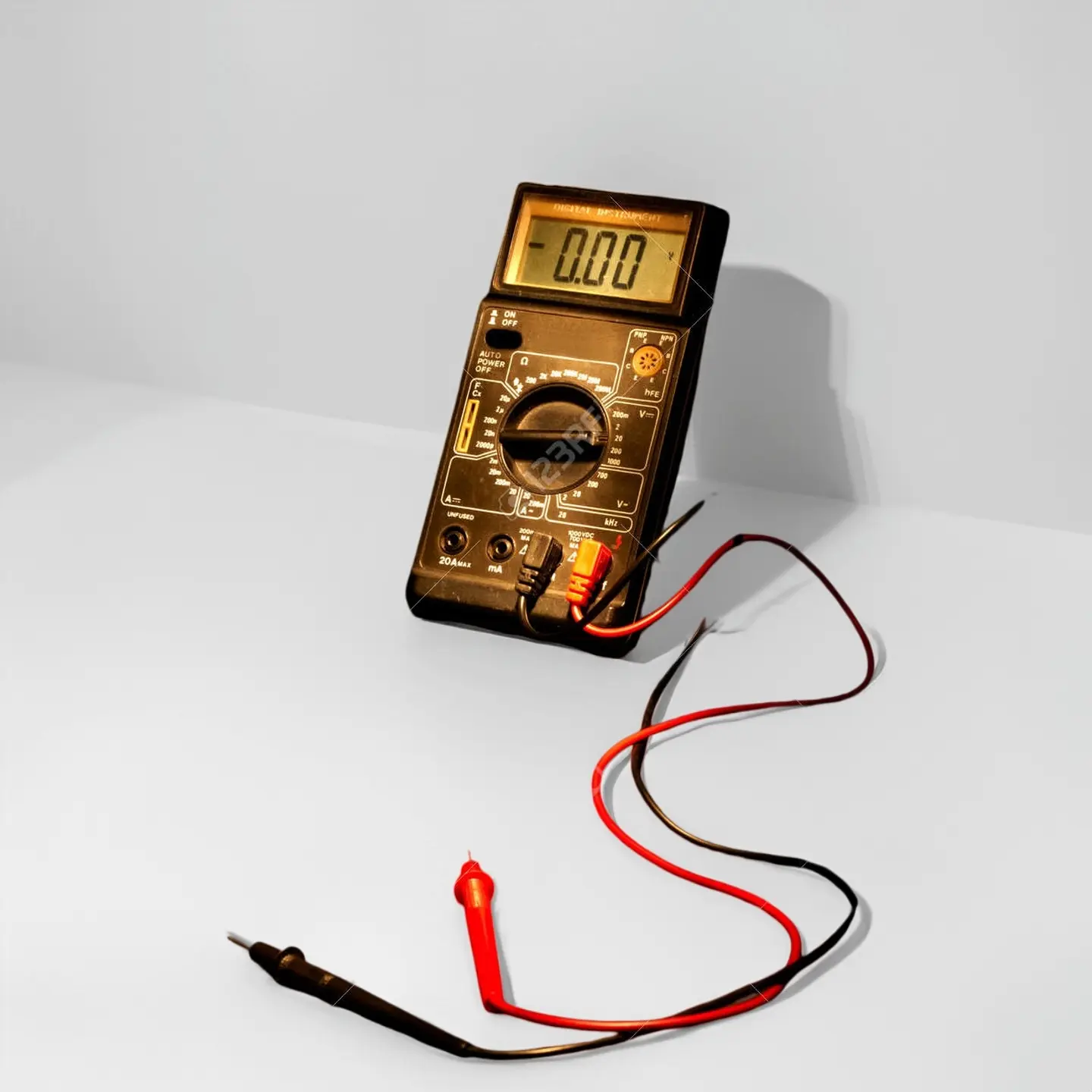
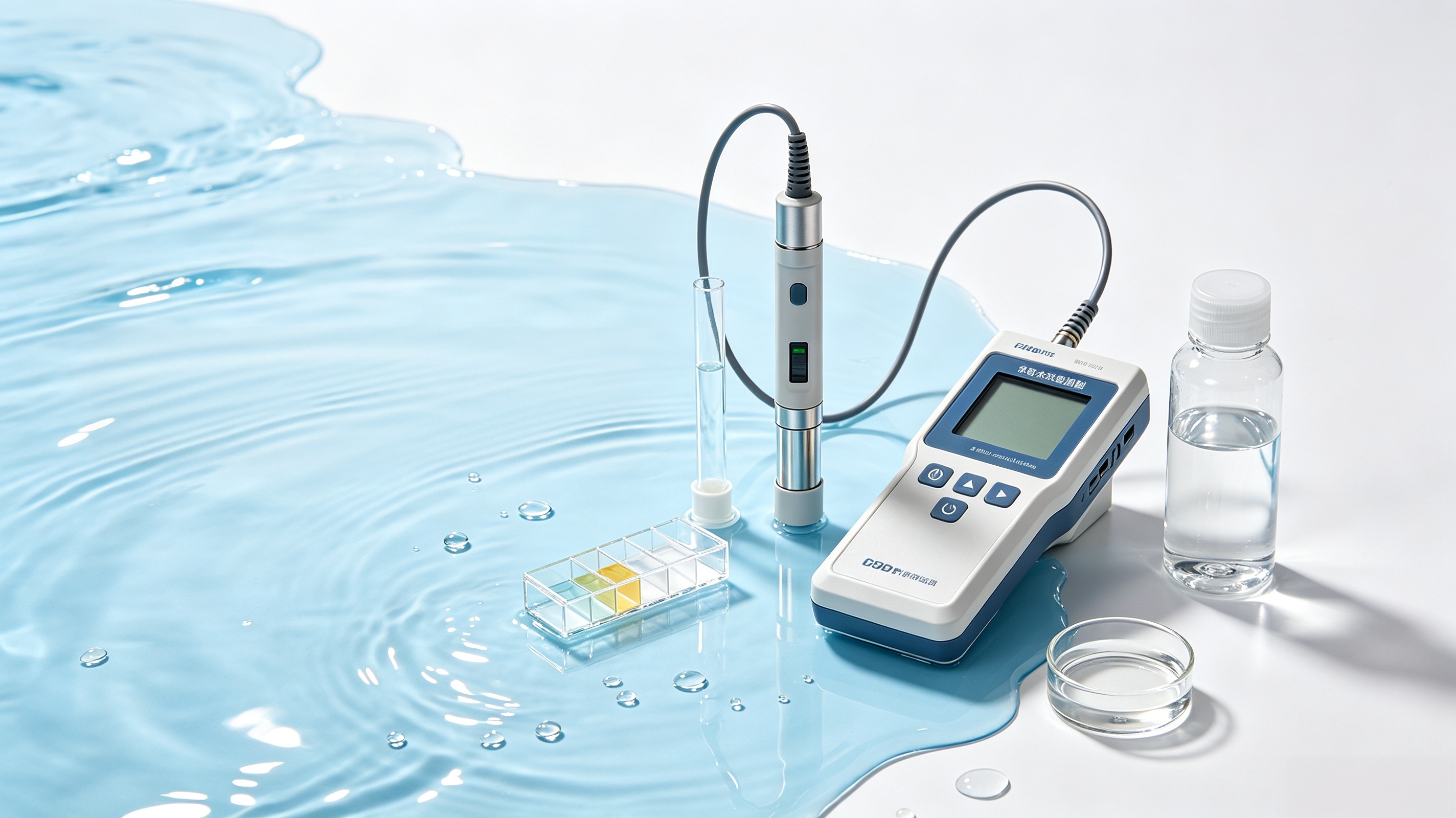
They are devices engineered to quantify physical or electrical properties with traceable accuracy. Digital multimeters, temperature/humidity meters, sound level meters, anemometers, and water quality testers all fall under this category. Unlike general-purpose tools, they carry defined uncertainty budgets, calibration certificates, and compliance with standards such as ISO 9001.
Why They Matter
-
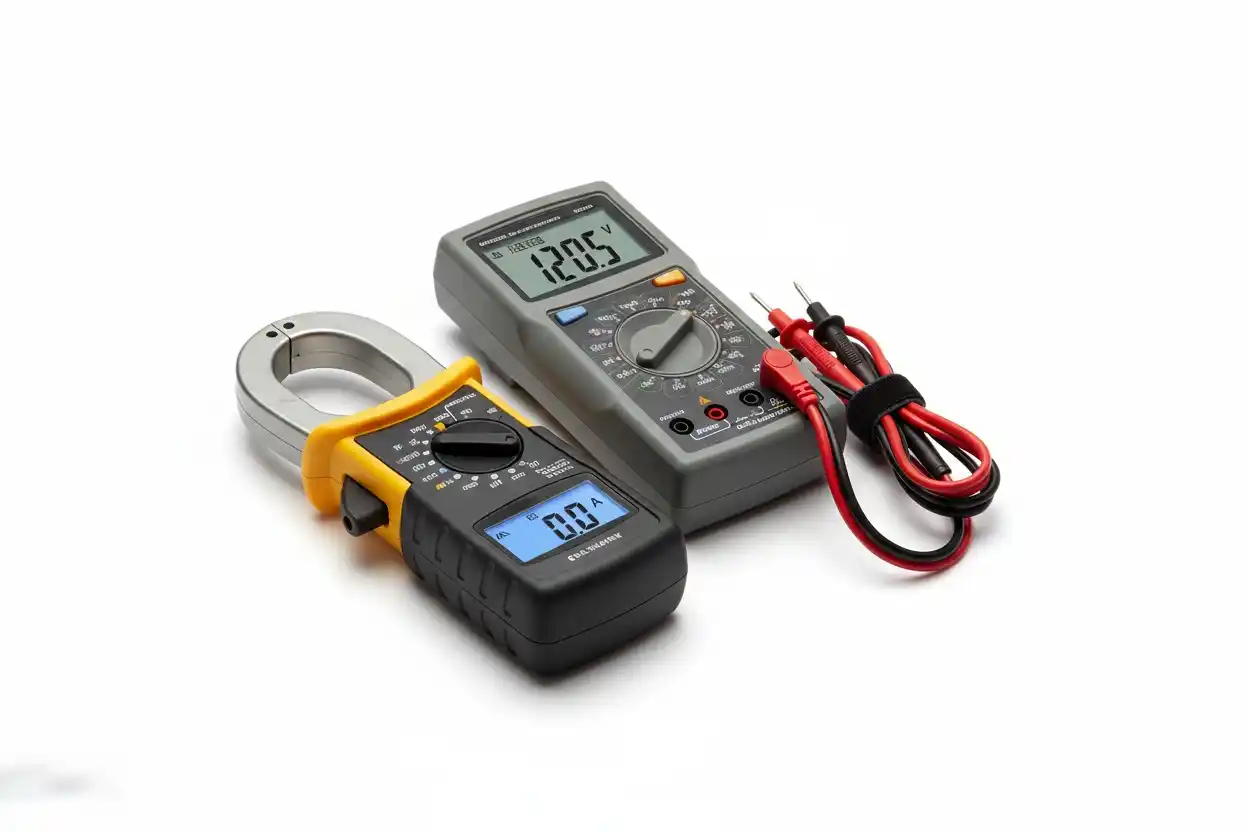
A component that passes visual inspection may still fail electrically. A 4½-digit multimeter catches microamp-level leakage that a 3½-digit unit misses.
-
Overheating bearings, overvoltage circuits, and CO₂ buildup in enclosed spaces all start as small deviations. Measurement reveals them before they become hazards.
-
Unplanned downtime costs 5–20× more than preventive measurement. Catching drift early avoids scrap, rework, and warranty claims.
The Gerteise Solution
We supply handheld and benchtop instruments calibrated for industrial, HVAC, laboratory, and environmental applications. Each unit ships with traceable documentation and technical support for integration into existing workflows.
Where They Are Used
-
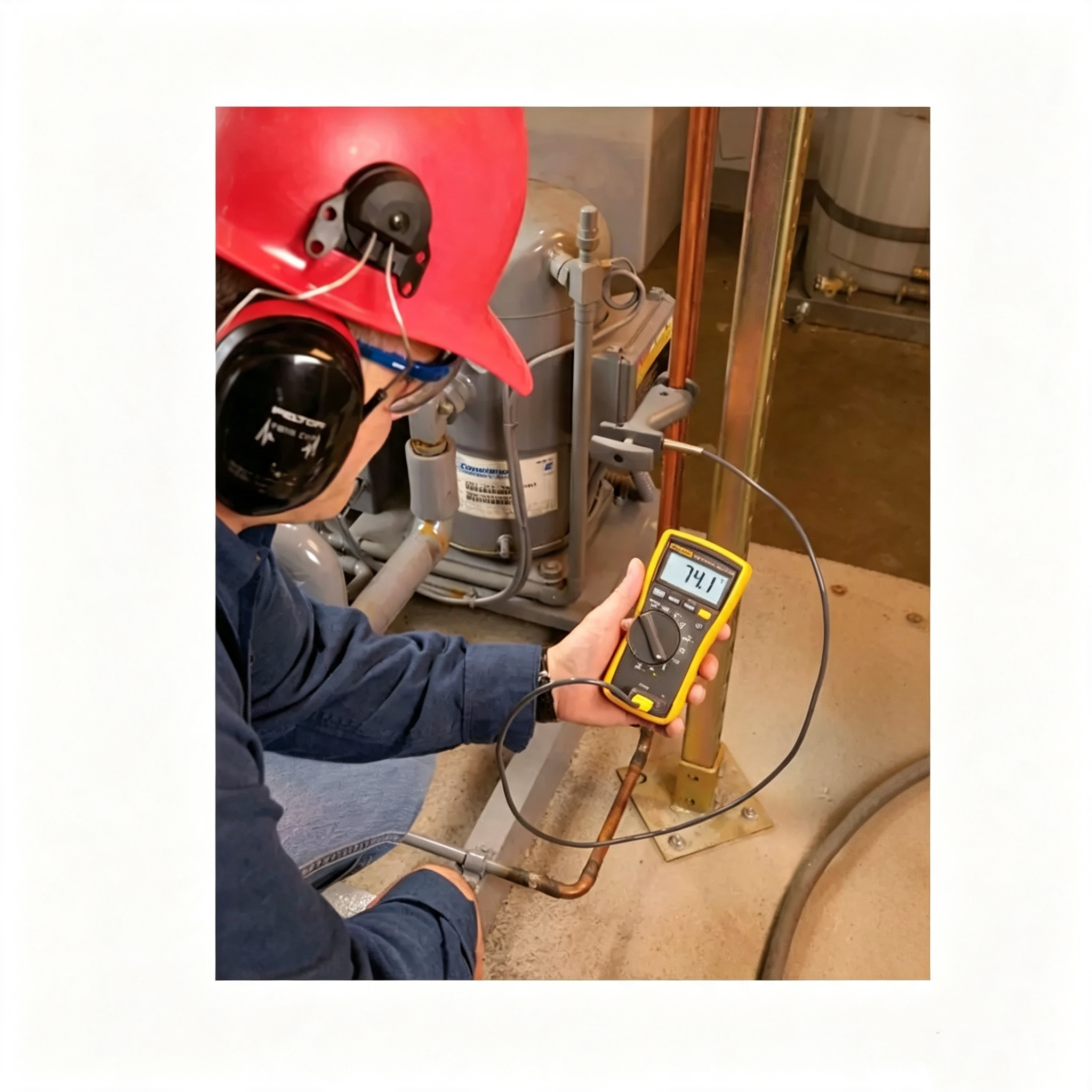
Motor current, bearing temperature, and vibration monitoring on production floors.
-
Duct airflow, refrigerant pressure, and indoor air quality (CO₂, temperature, humidity) validation.
-
Reference-grade meters for verifying production test equipment and maintaining audit trails.
-
Outdoor noise levels, wind speed, and atmospheric conditions for compliance reporting.
The Bottom Line
Precision measurement is not a cost center. It is insurance against failure. The right instrument, properly calibrated, turns guesswork into data—and data into decisions.Need help selecting instruments for your application? Contact us for a tailored recommendation.