GT-CTS-Y10.4
View model →
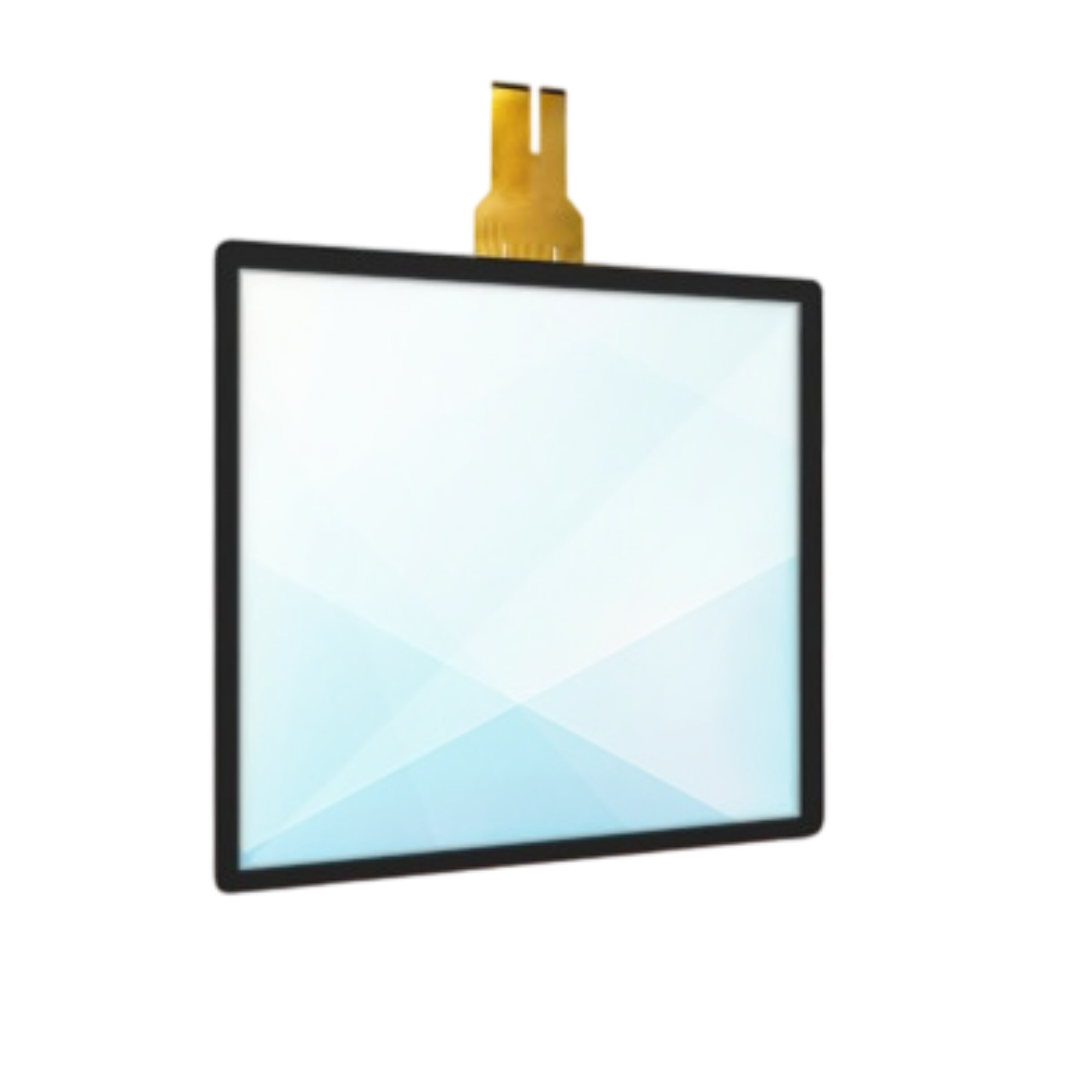
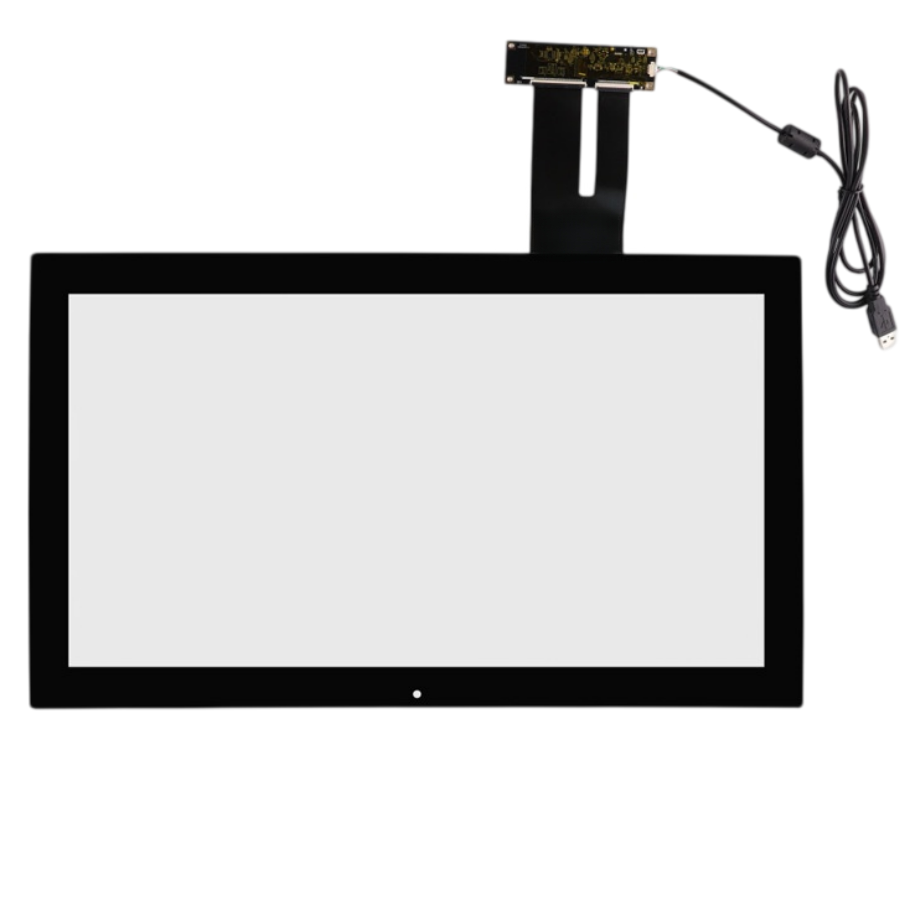
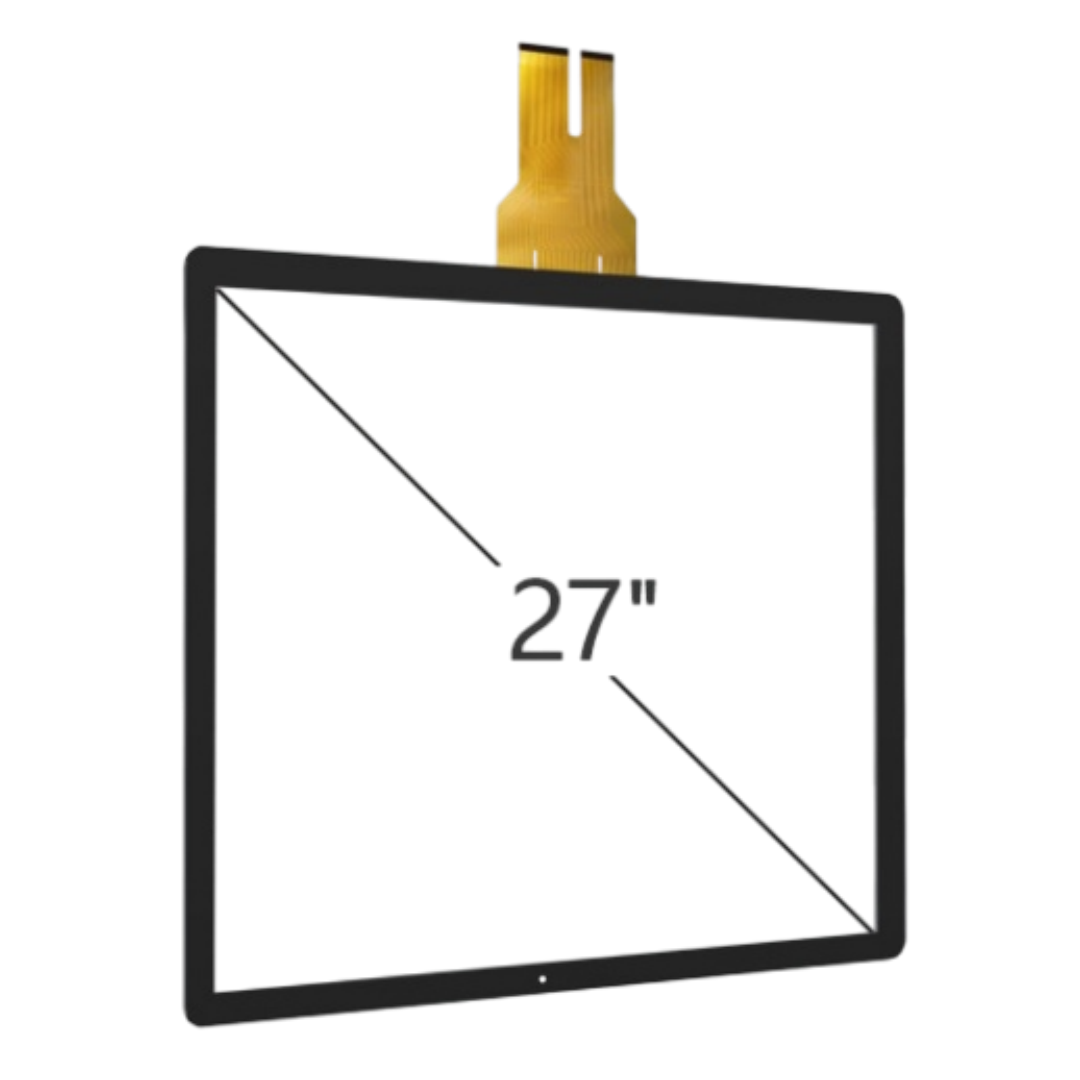
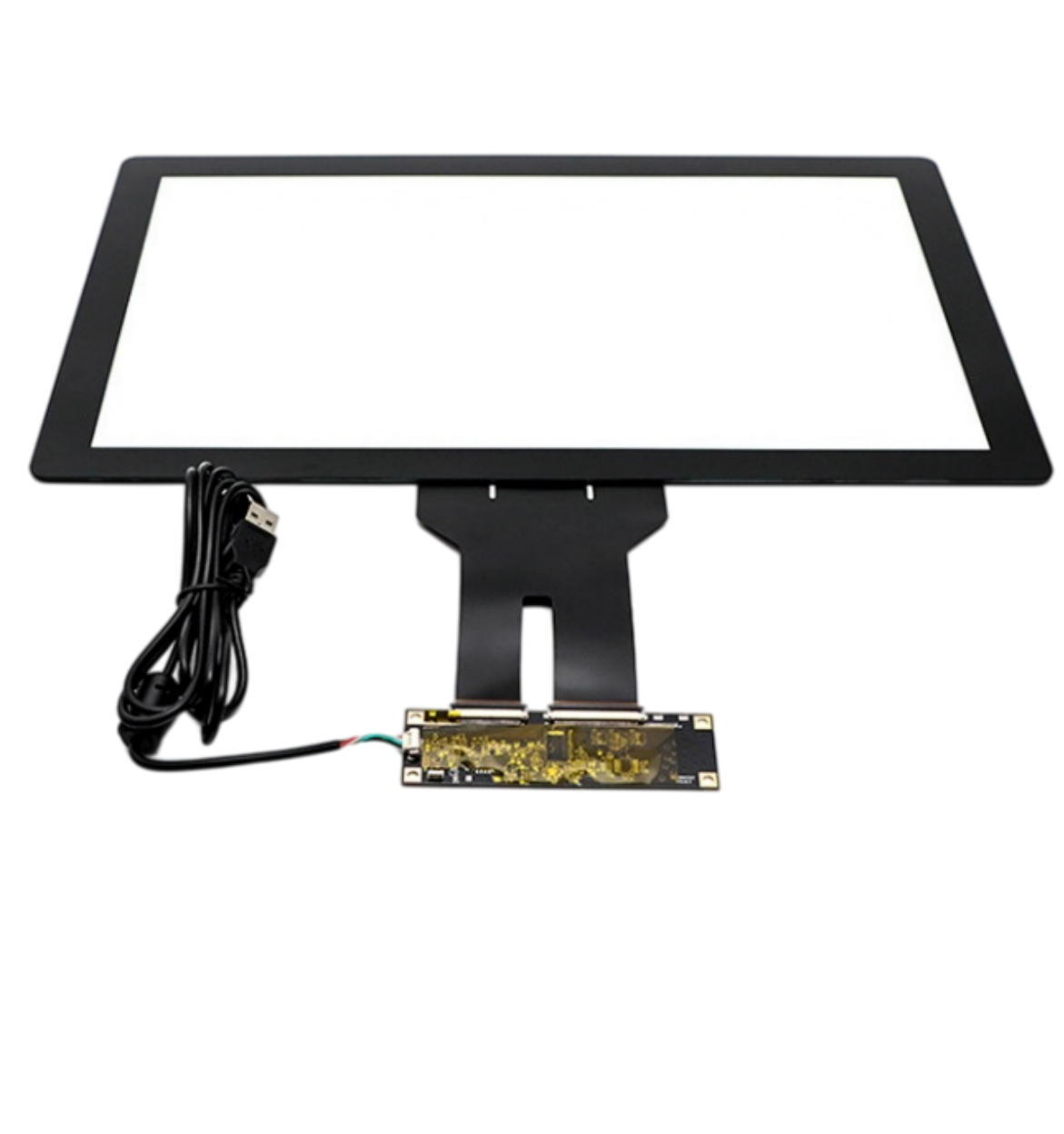
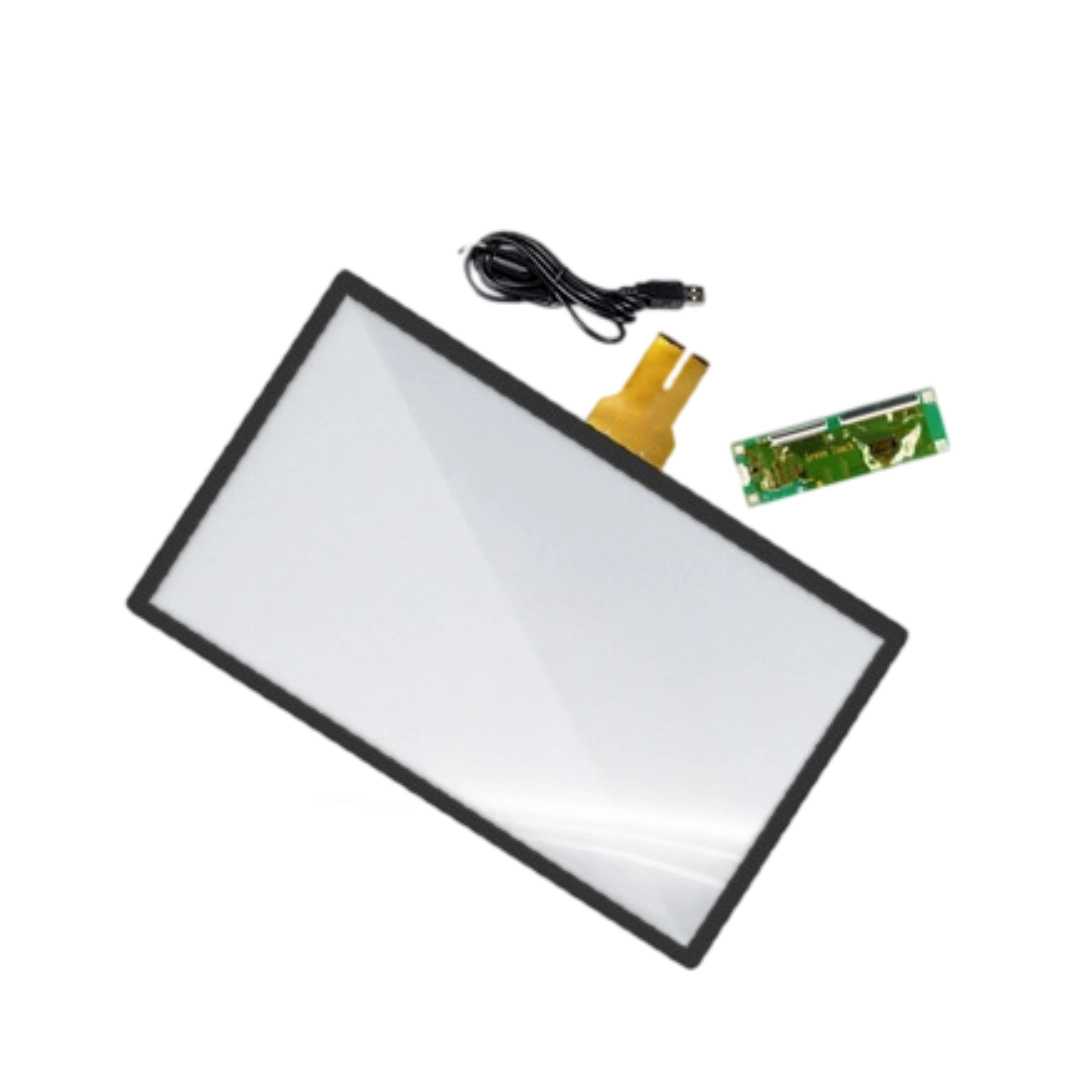
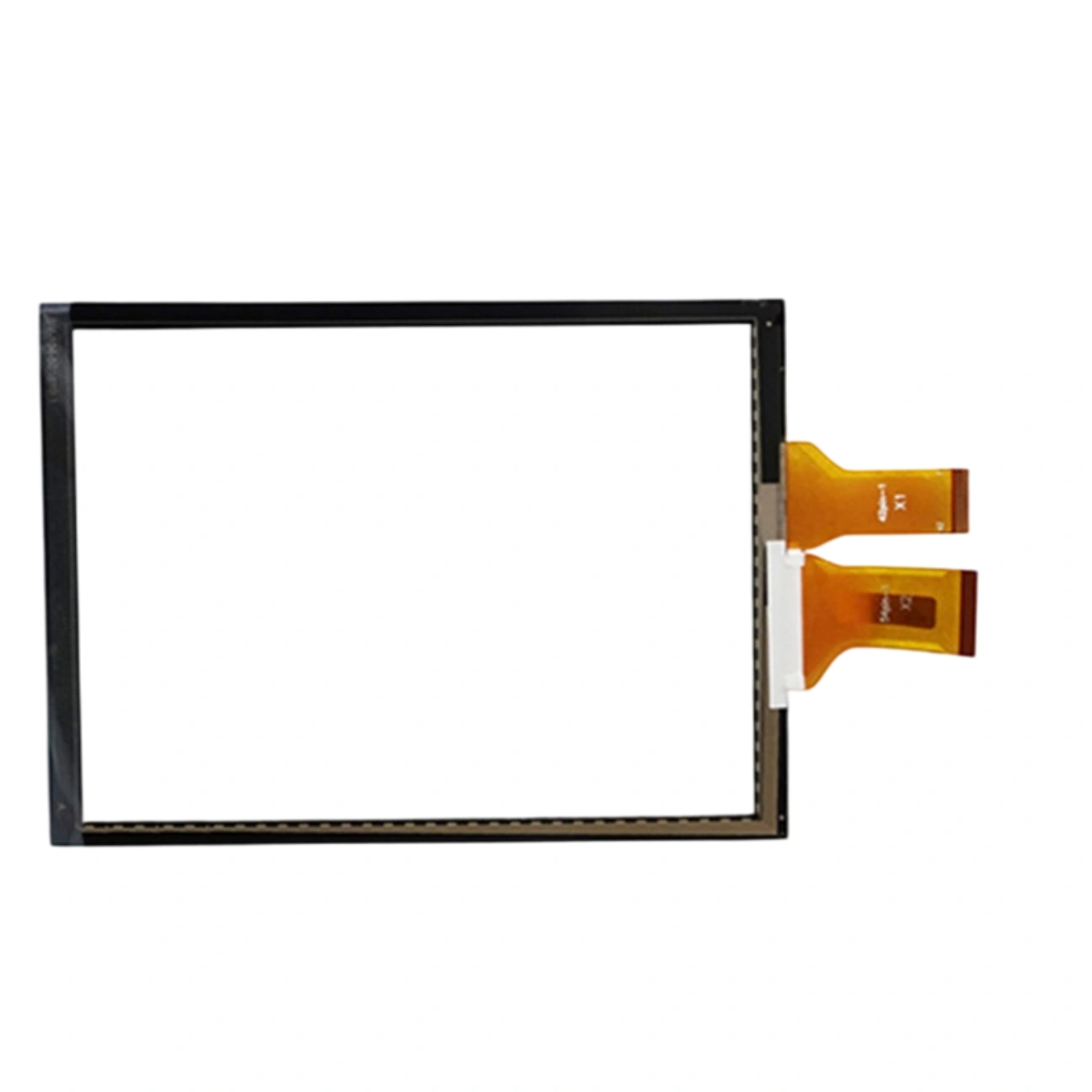
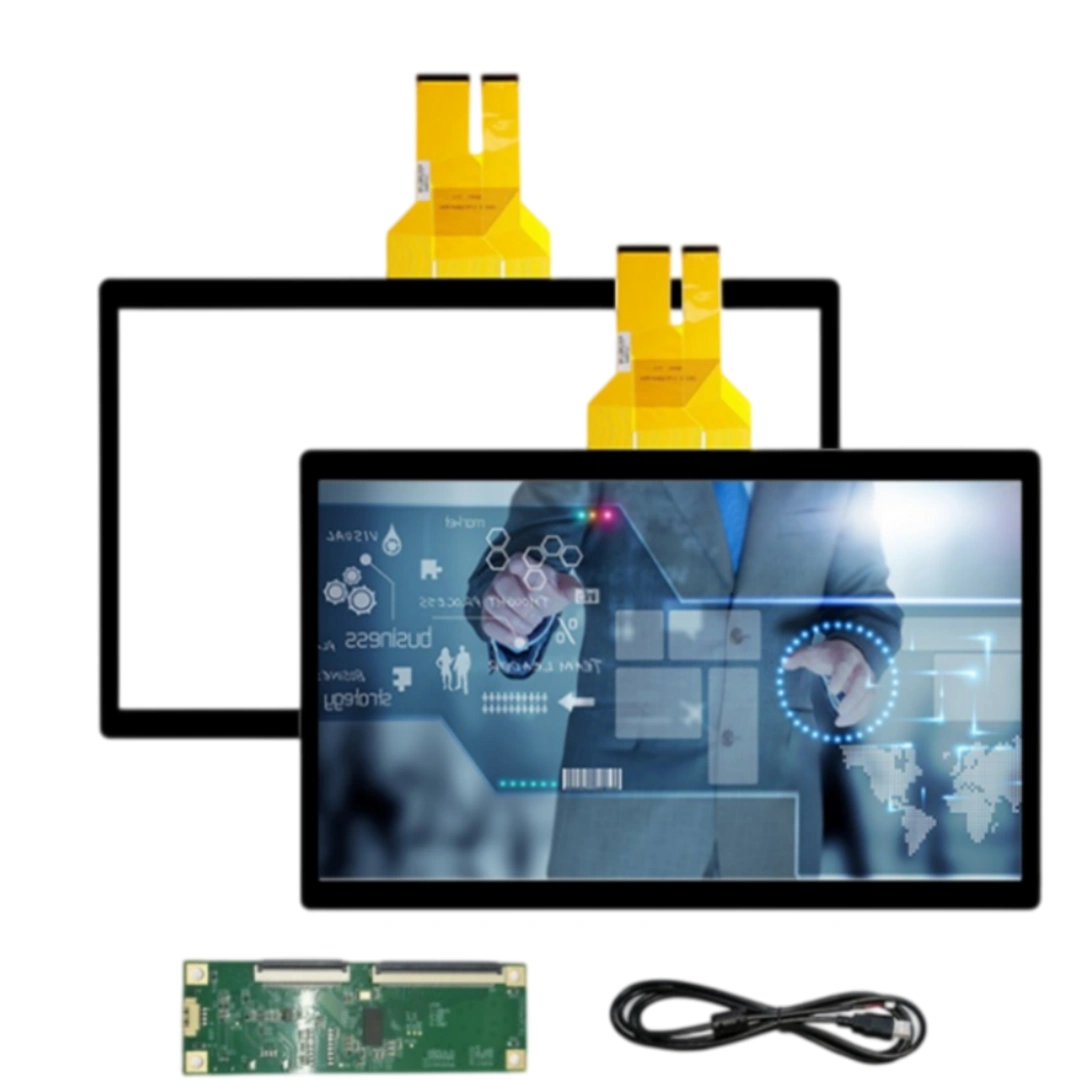
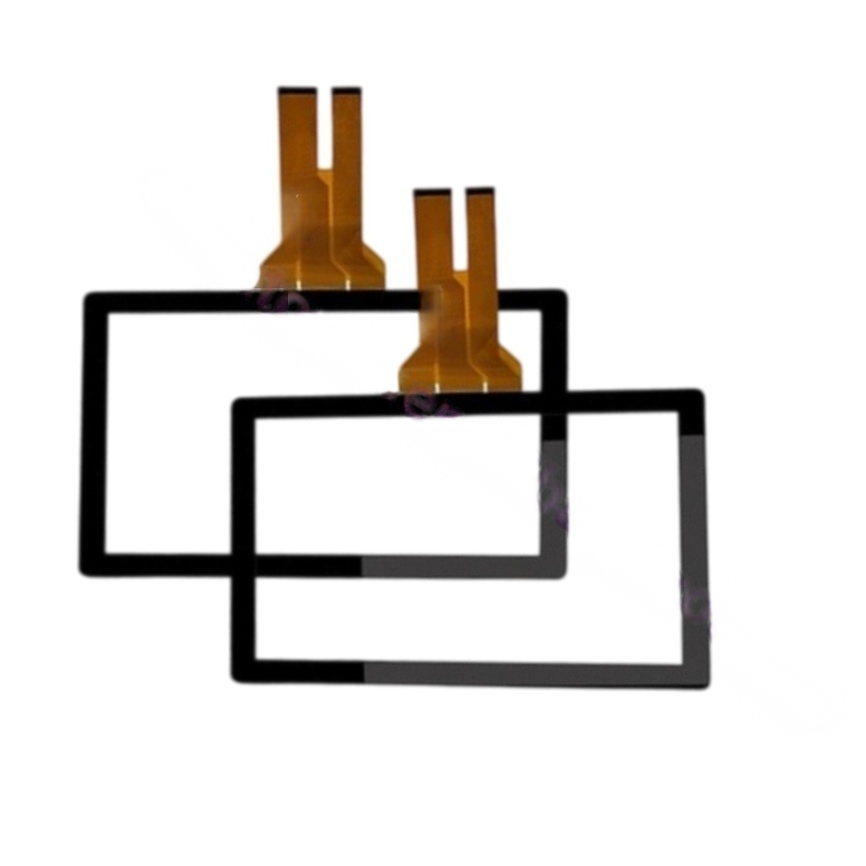
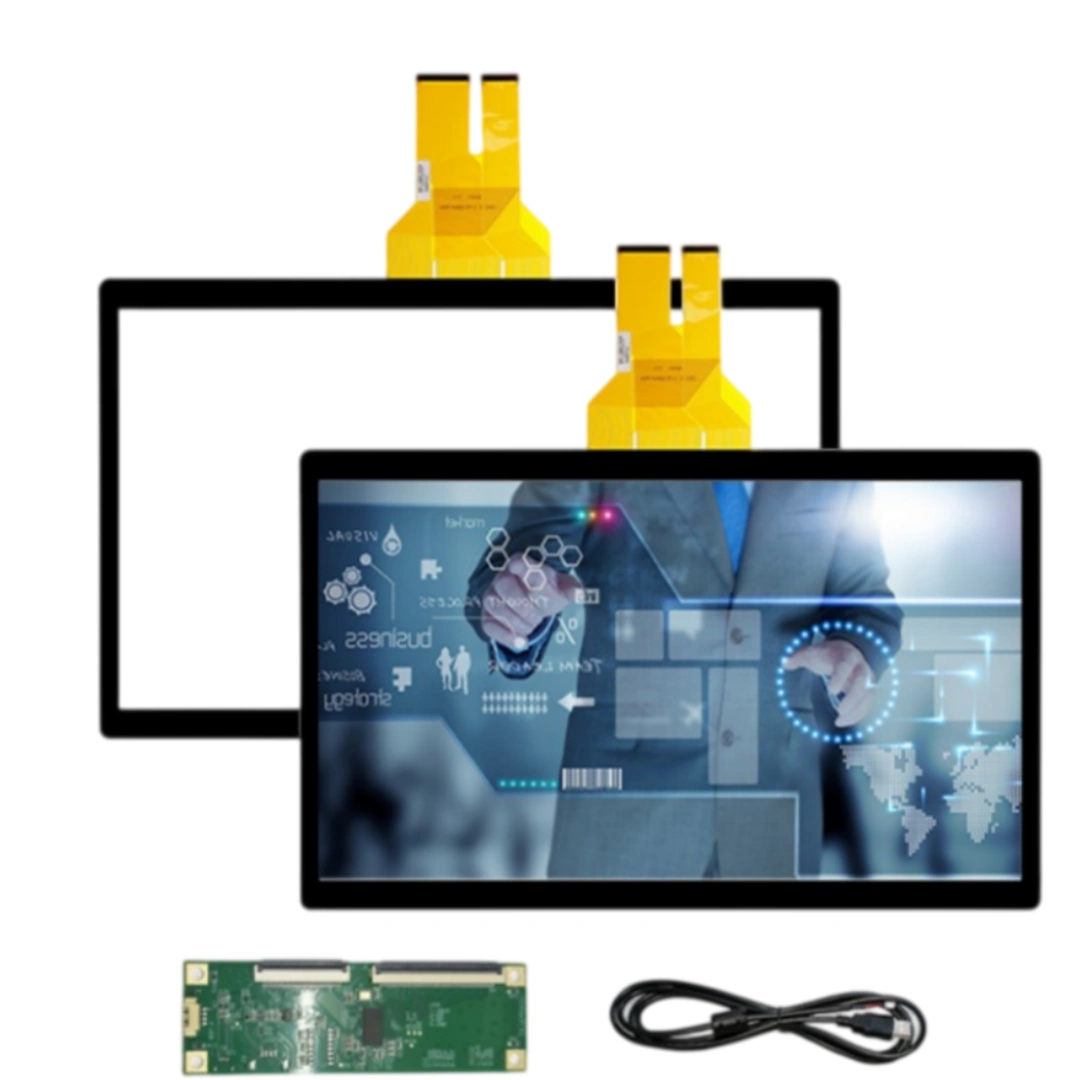
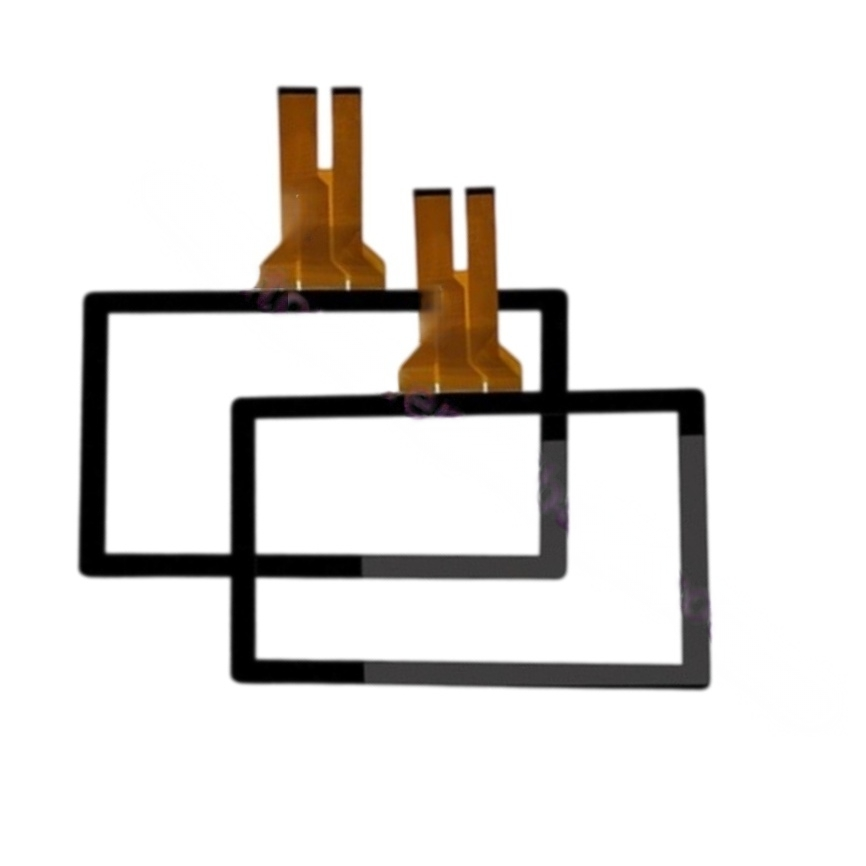
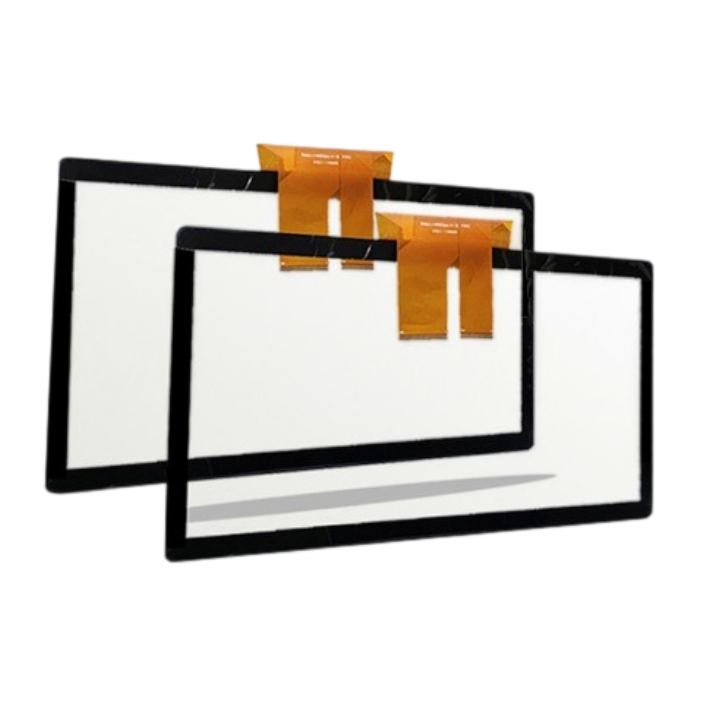
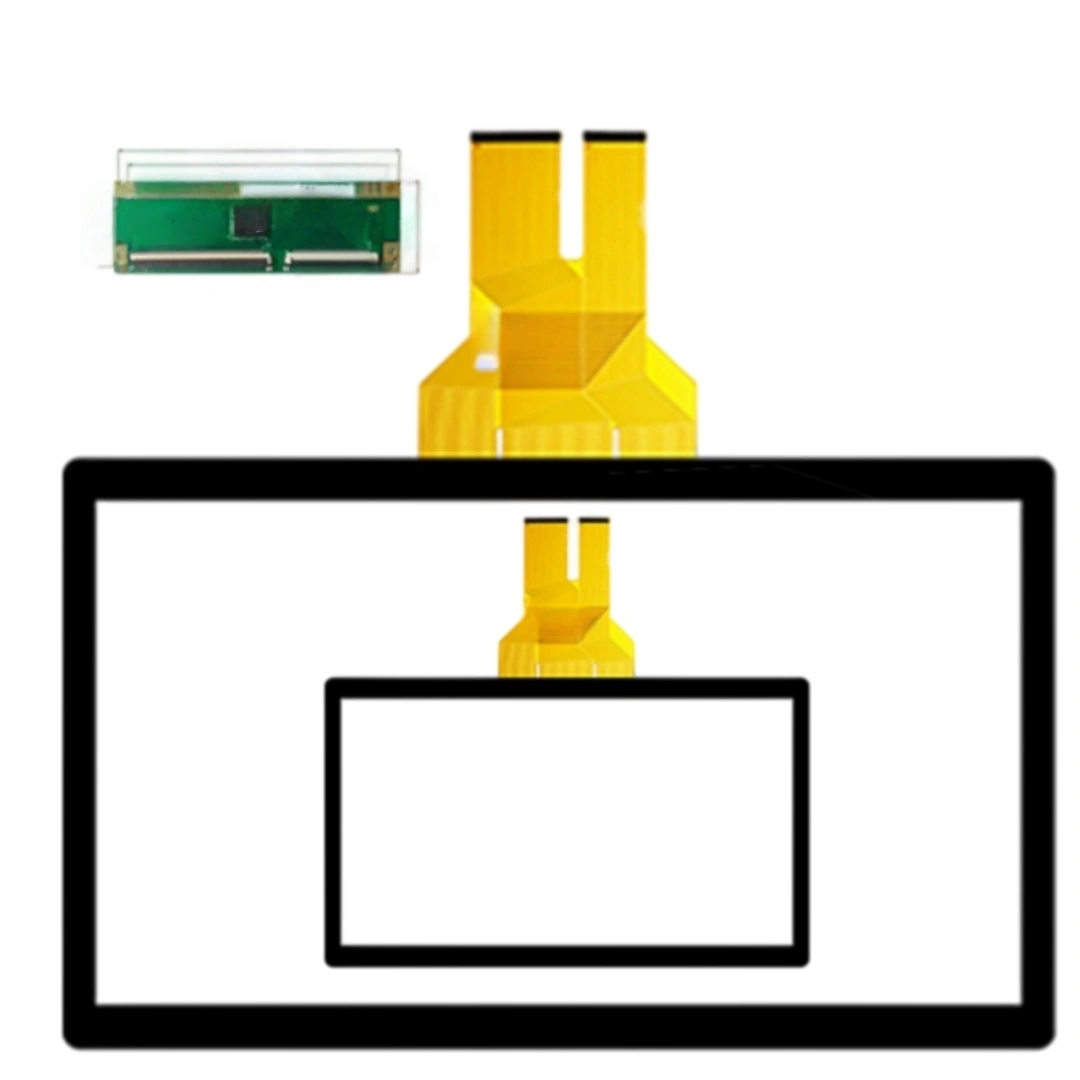
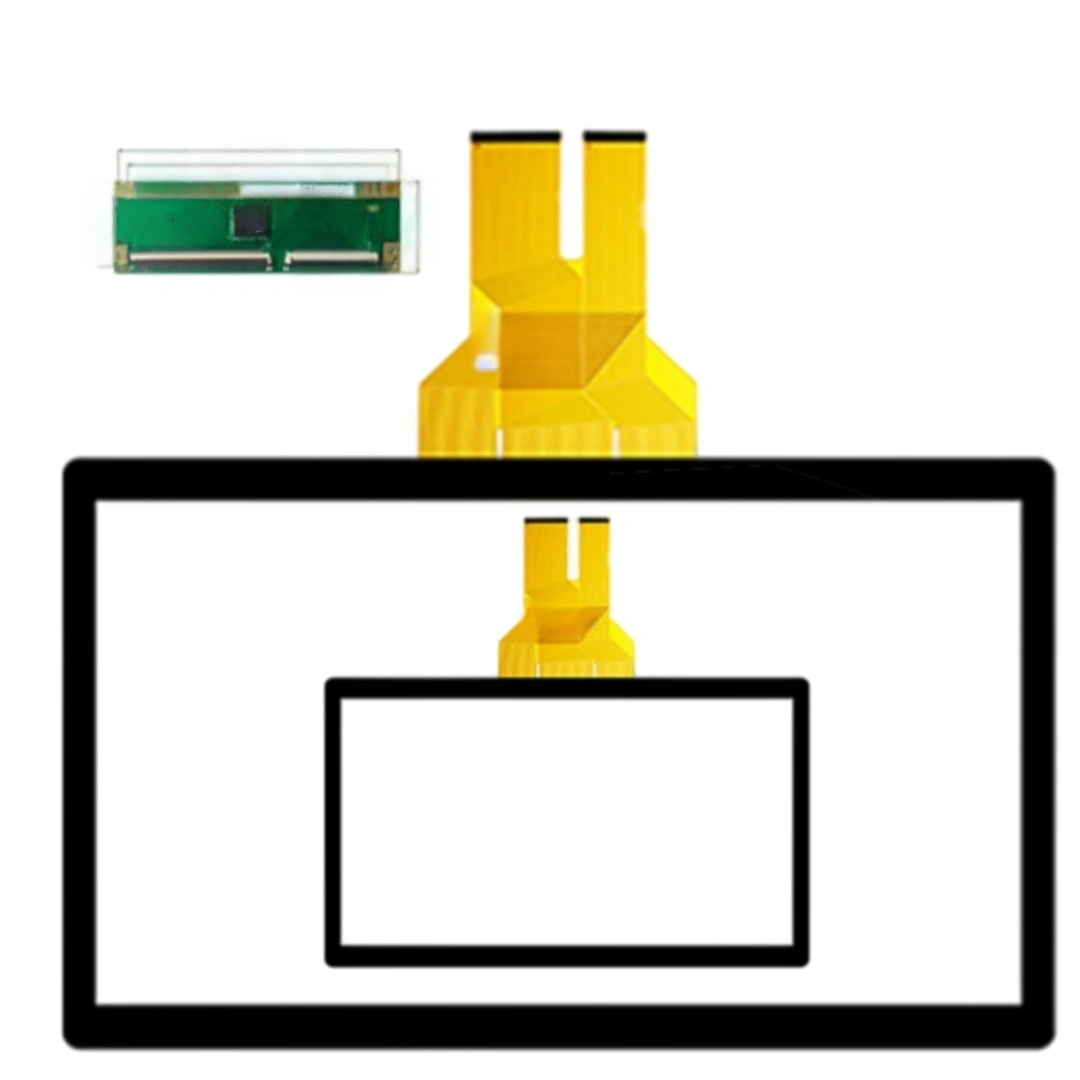
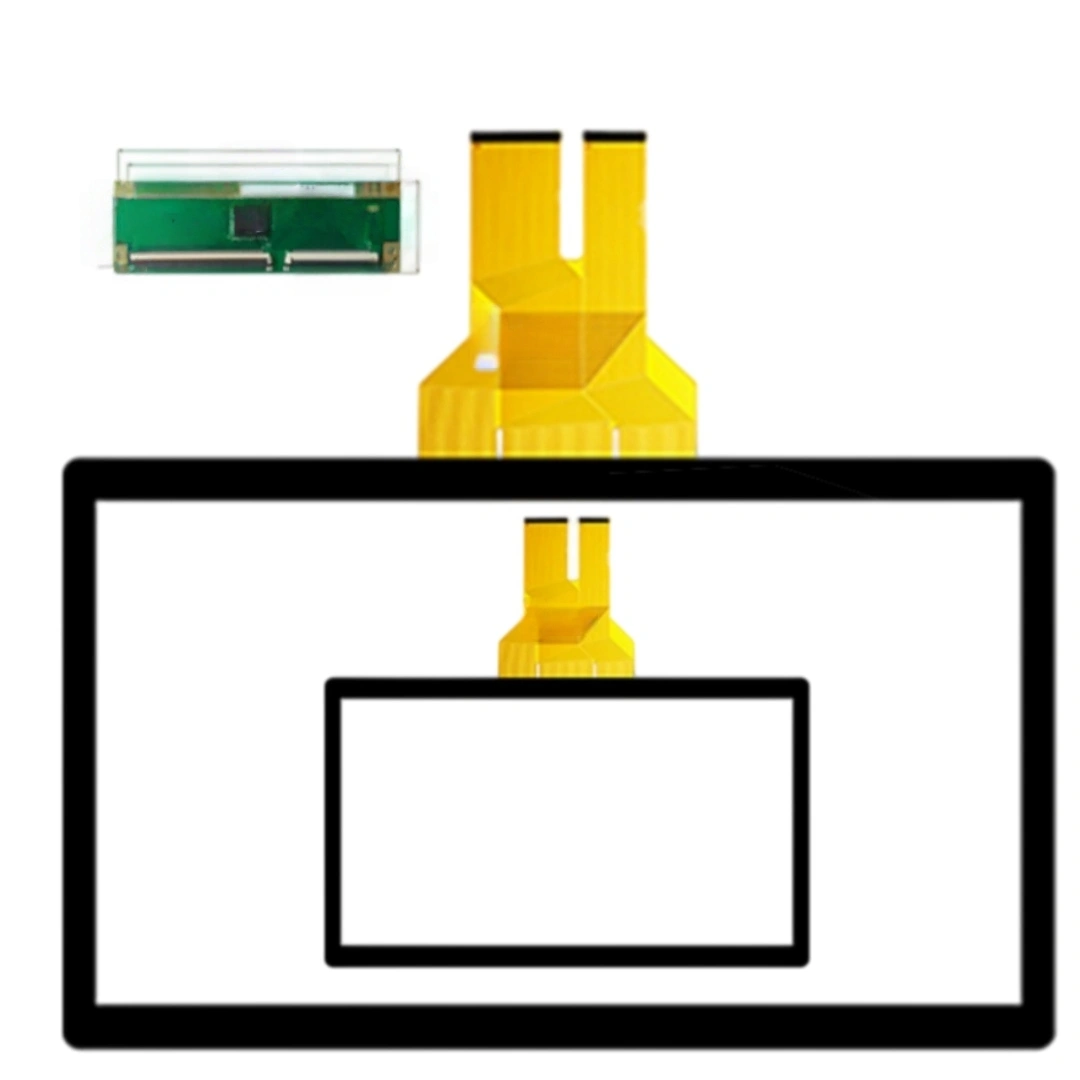
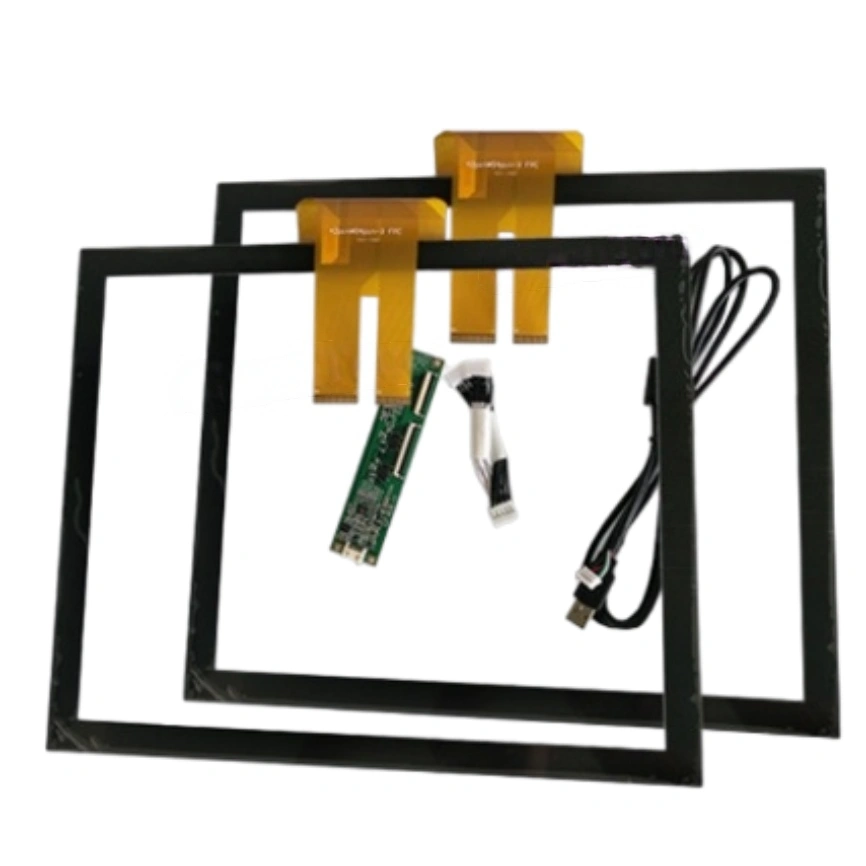
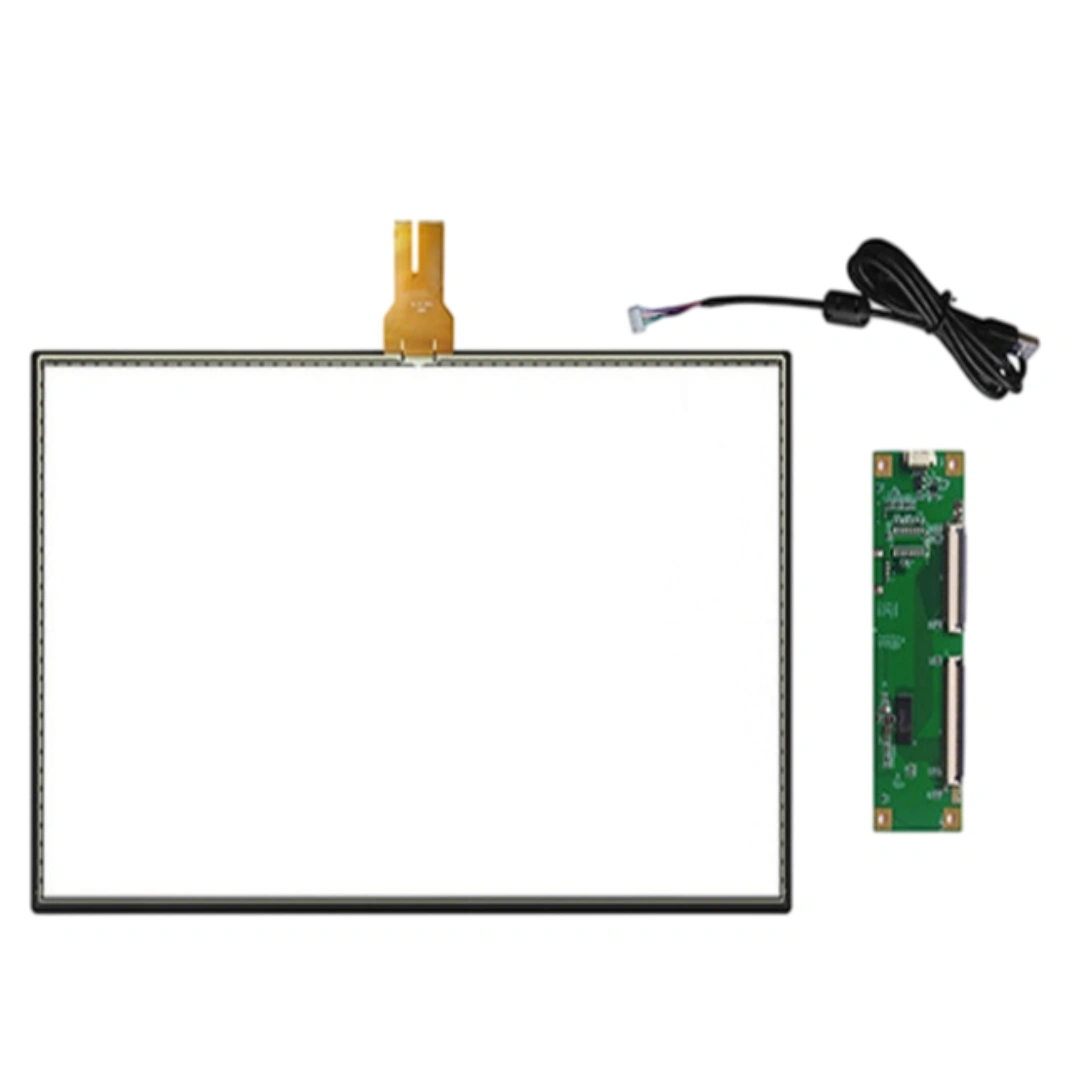
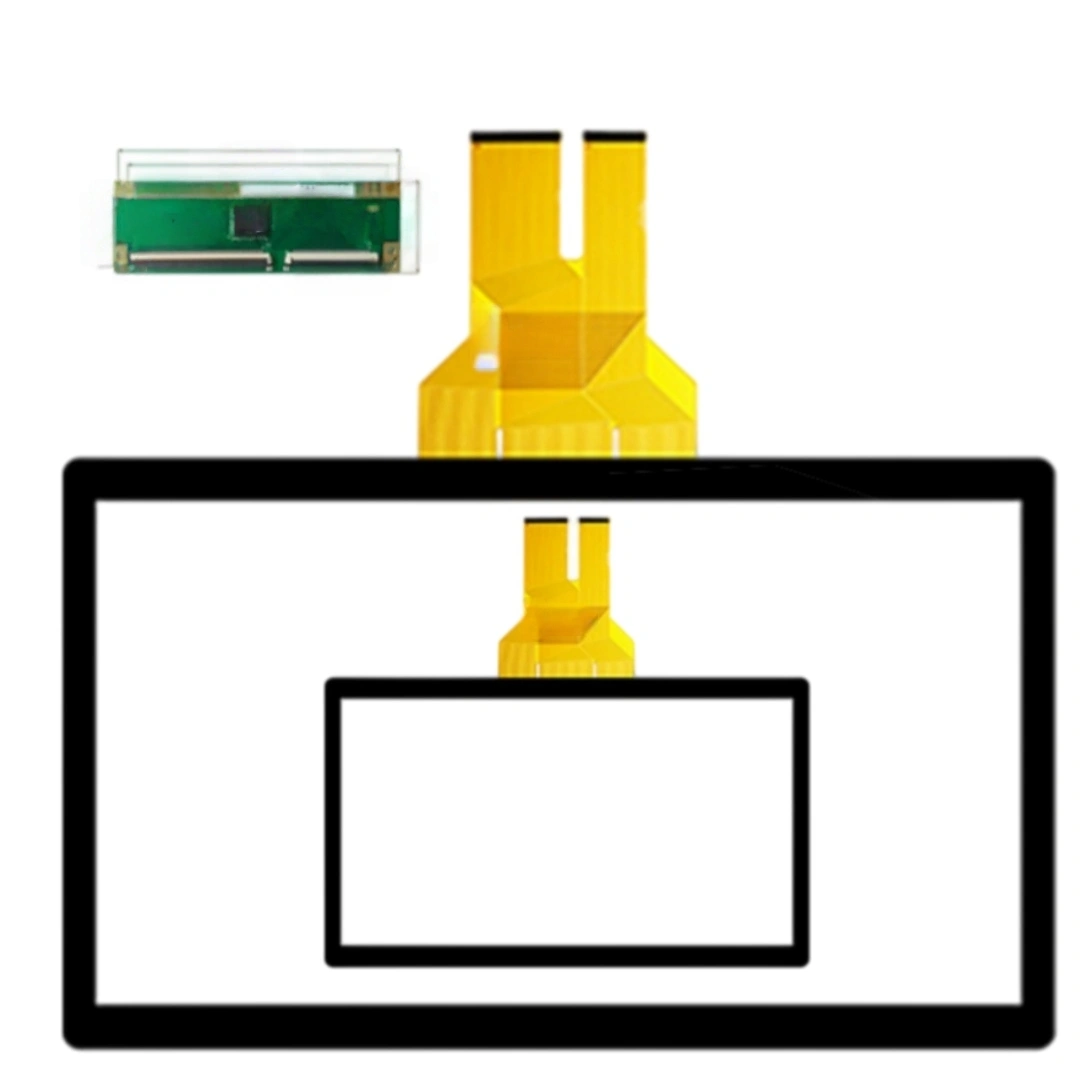
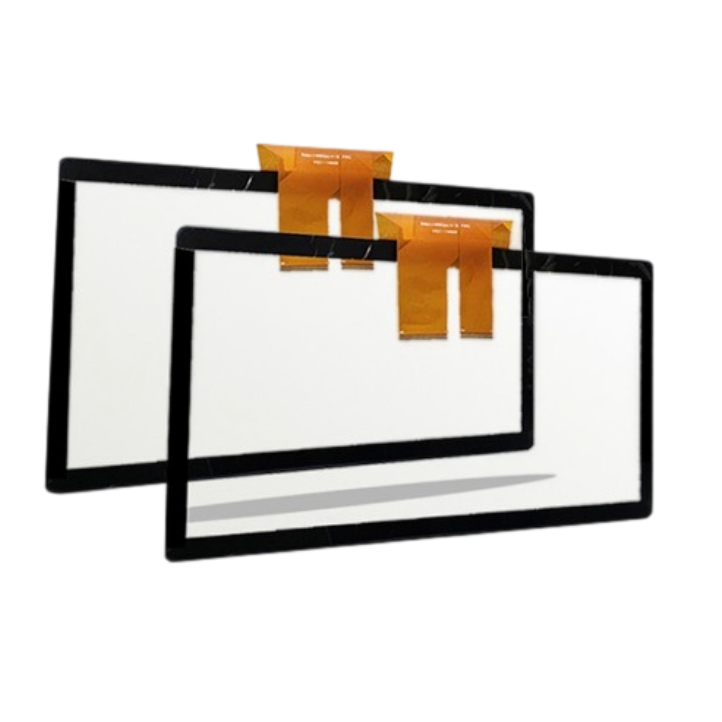
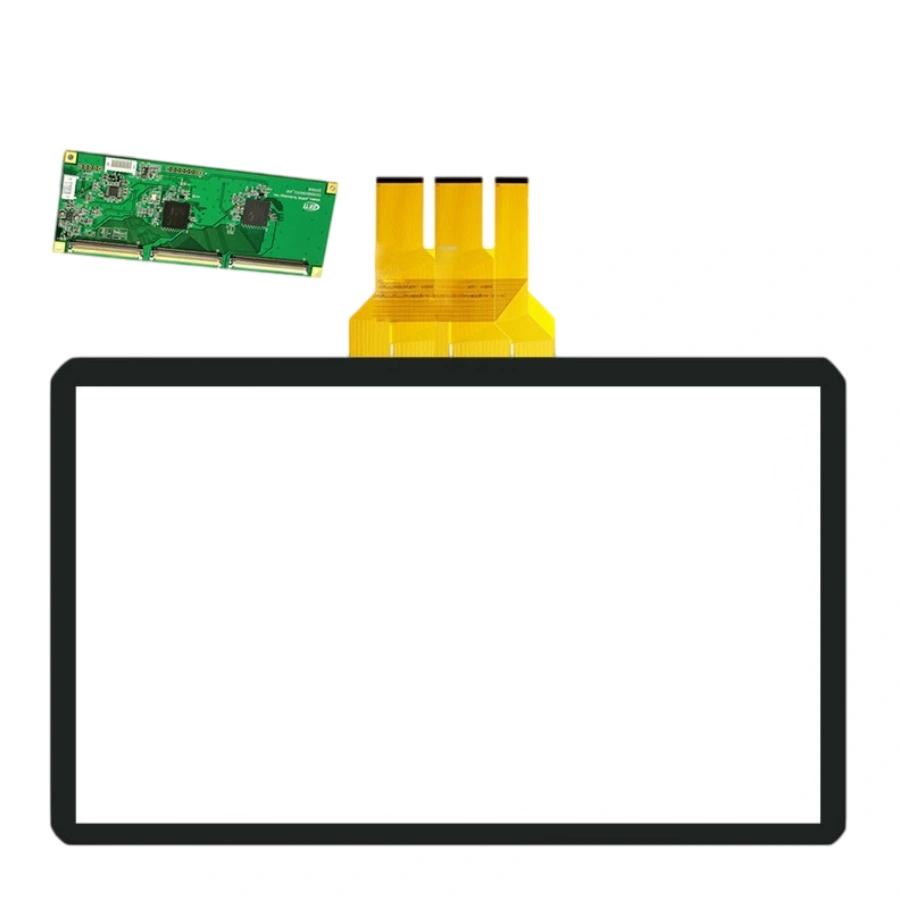
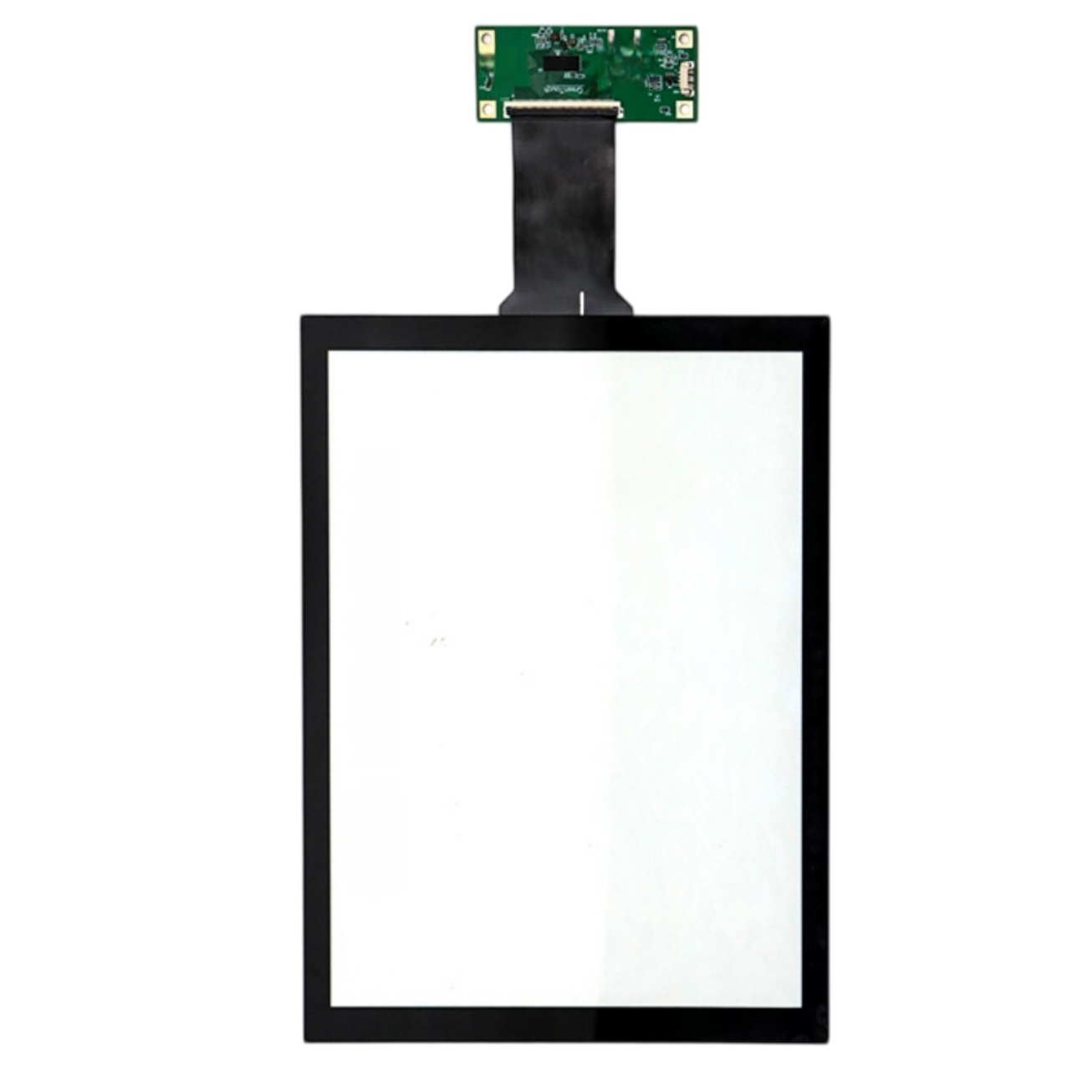
This 12.1-inch projected capacitive touch screen uses a G+G structure with USB. The listing specifies a 5 ms response time, 4096 × 4096 touch resolution and >85% transmittance, and lists support for Windows, Android, Linux, Mac. Listed applications include Industrial and automation equipment, all-in-one terminals, advertising displays, ordering, queuing and information kiosks.
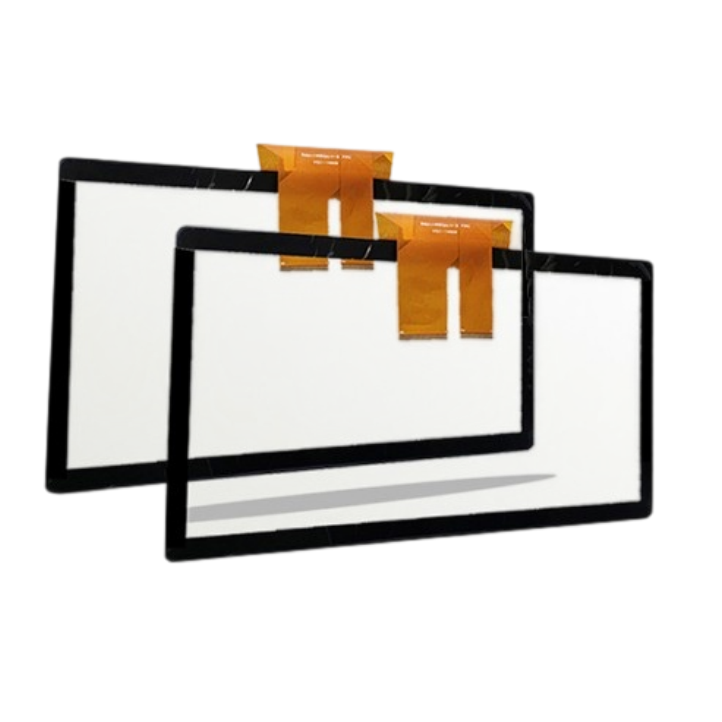
G+G uses a tempered glass cover plus a glass sensor layer, so it takes impact better, holds its surface hardness longer, and stays stable under high-frequency public use. G+F is cheaper and lighter but the film layer wears faster. For industrial HMI and queue kiosks that run thousands of taps a day, G+G is the safer long-term choice.
G+G is rigid, so it doesn't like point pressure on the edge. Leave a uniform 1.5–2 mm soft gasket between the glass edge and the metal bezel, and don't let screws bear directly on the glass. The active area also needs about 1 mm margin inside the bezel opening so the frame doesn't shield the outer touch channels.
Condensation itself doesn't damage the sensor, but water film on the front surface can cause ghost touches. Keep the enclosure slightly positive-temperature (avoid cold glass meeting warm humid air) and add a breathable membrane or desiccant behind the seal. We can also raise the wet-finger rejection threshold before shipping if your site is humid.
The G+G cover glass itself is insulating, but the controller IC near the FPC can take ESD hits. We design the controller pocket with ESD filtering; for dry-climate deployments (hospitals, carpeted lobbies) we recommend a grounded bezel and a 4–8 kV contact-rating tune on the touch circuit. Tell us your ESD environment and we'll harden it.
For a 12.1" public terminal, AF (anti-fingerprint) alone is the minimum. If it faces strong ceiling lights or a window, go AG+AF: AG cuts glare, AF keeps smudges wipeable. AR coating is optional and mostly for high-contrast branding screens. We can combine coatings on the G+G cover without losing touch sensitivity.
Yes, if we lock the stack early. G+G is repeatable: same cover-glass thickness, same bonding gap, same controller gain. We baseline the first article, freeze the recipe, then every batch is calibrated against that reference. The risk is only if you change glass thickness or coating mid-project — so confirm the stack before MP and we hold it stable.
| Screen size | 12.1 inches |
|---|---|
| Touch screen type | Projected capacitive (PCAP) . |
| Structure | G+G . |
| Interface and driver | USB . |
| Response time | 5 ms . |
| Touch resolution | 4096 × 4096 . |
| Transmittance | >85% . |
| Supported operating systems | Windows, Android, Linux, Mac . |
| Package contents | Touch panel ×1, USB cable ×1, controller ×1 . |
| Listed applications | Industrial and automation equipment, all-in-one terminals, advertising displays, ordering, queuing and information kiosks . |