GT-CTS-Y10.4
View model →
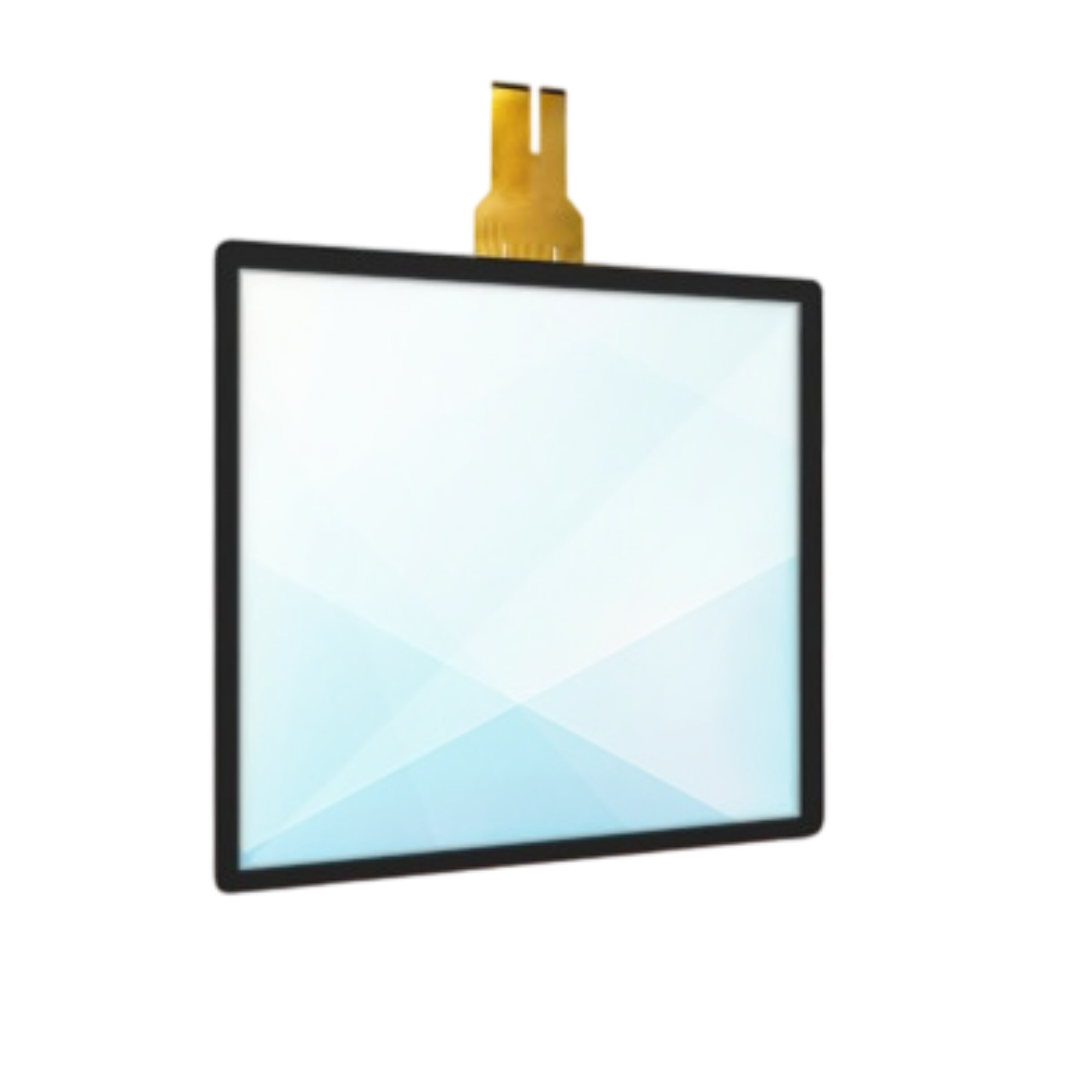
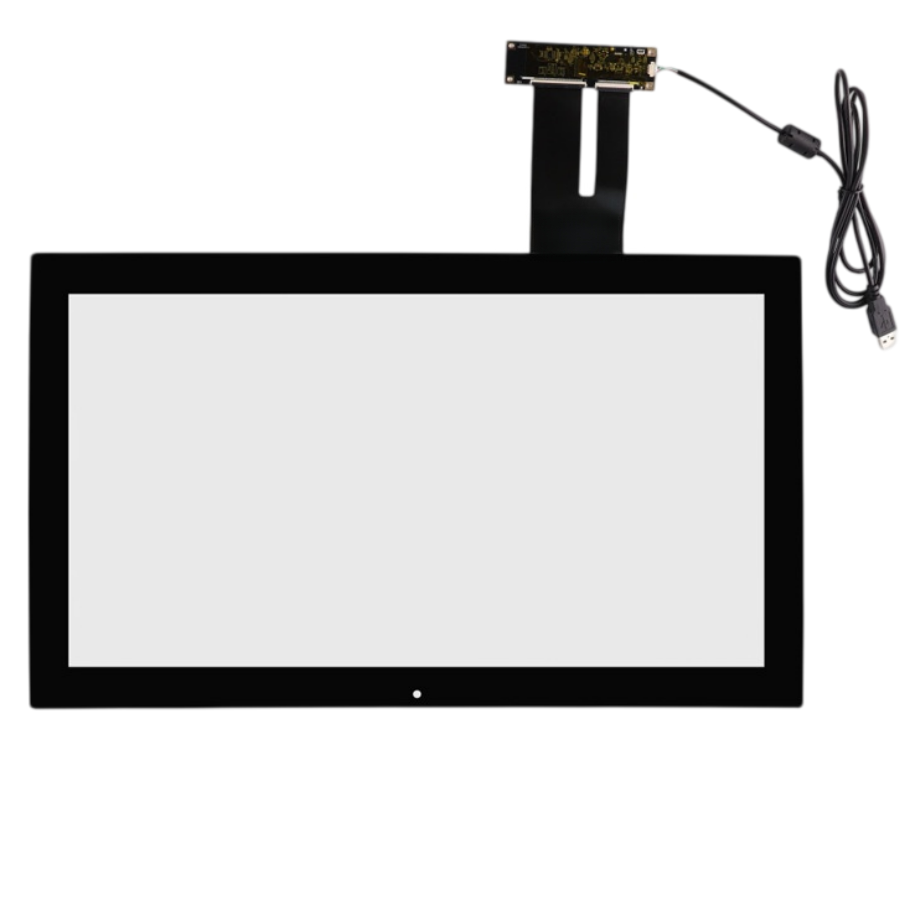
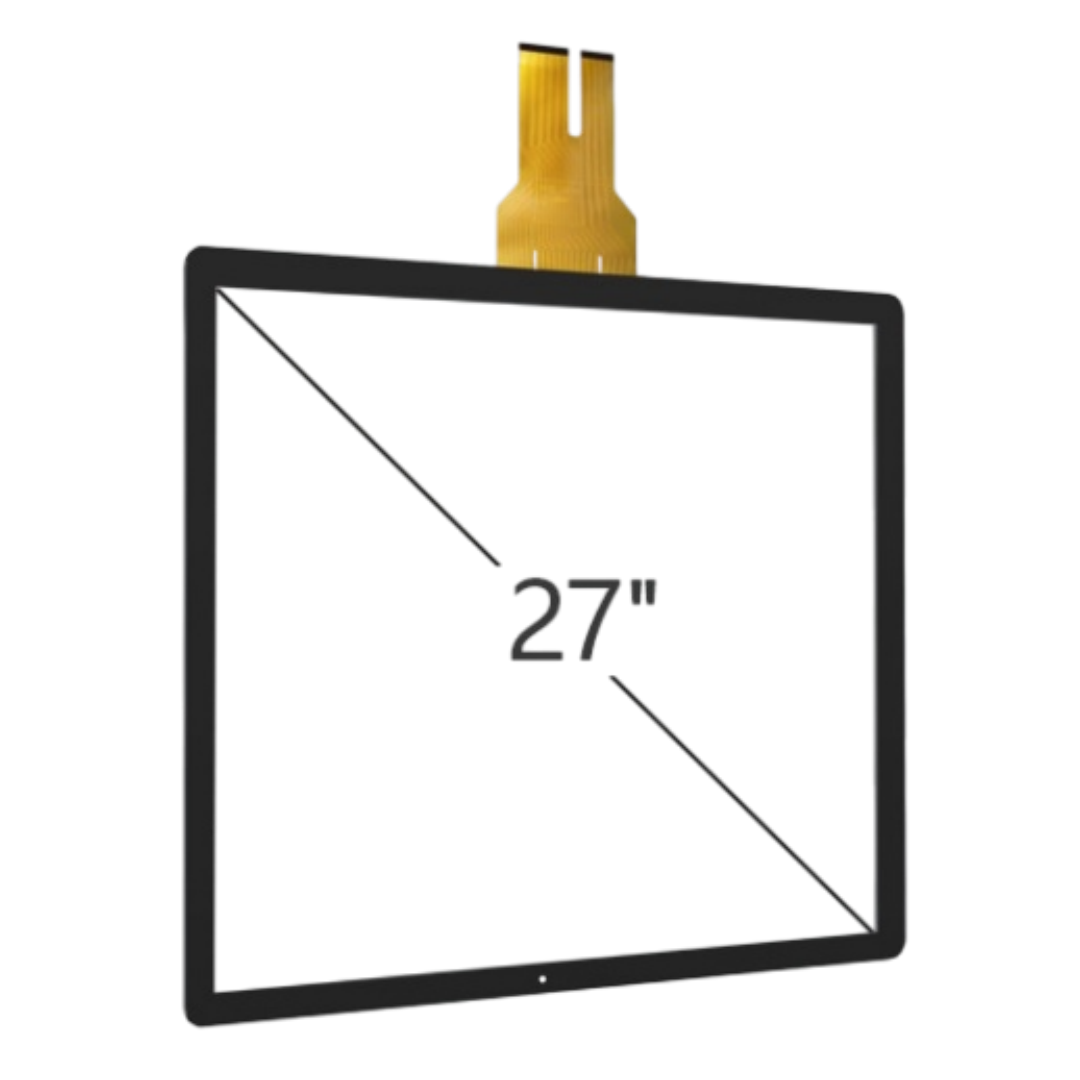
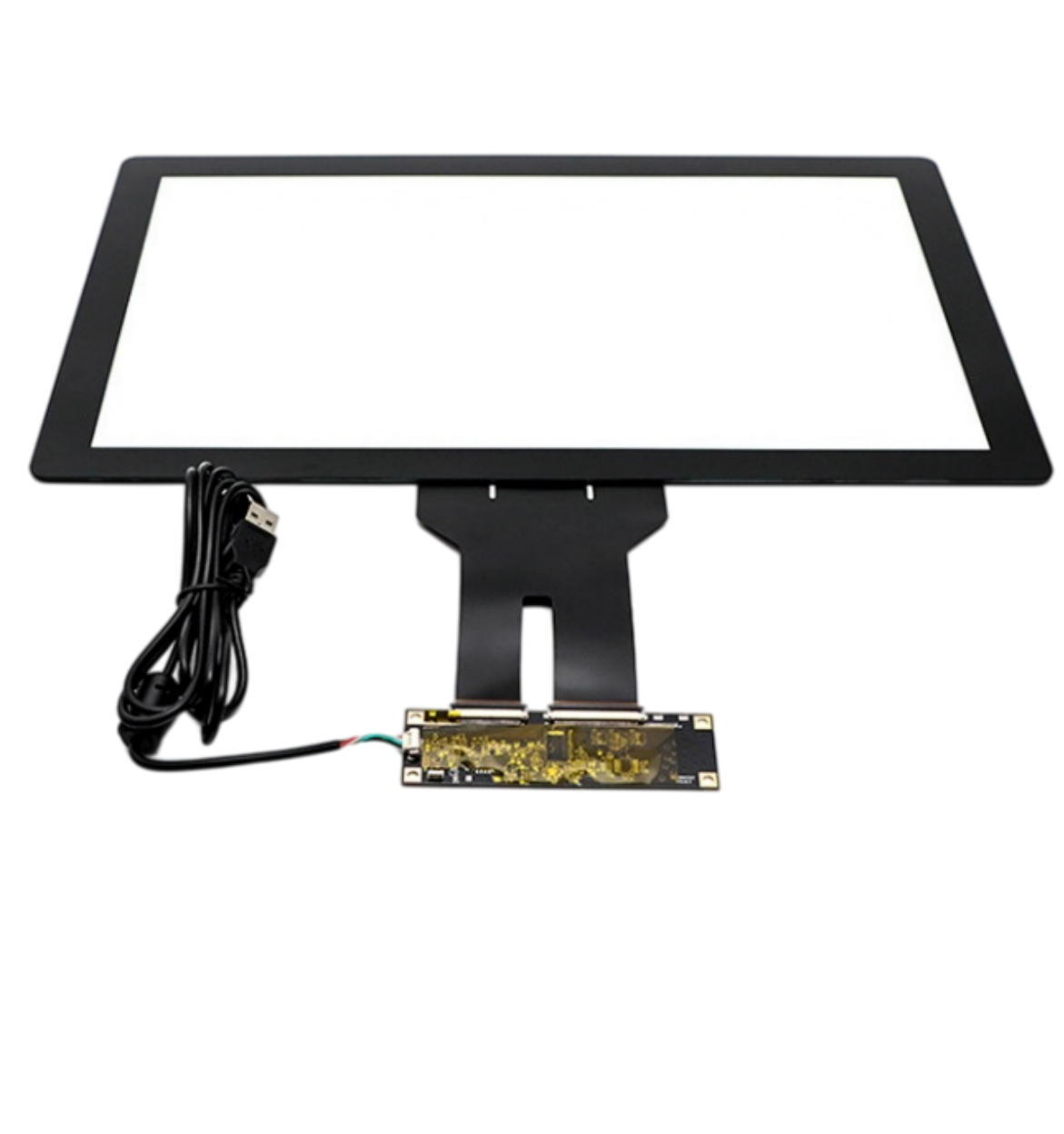
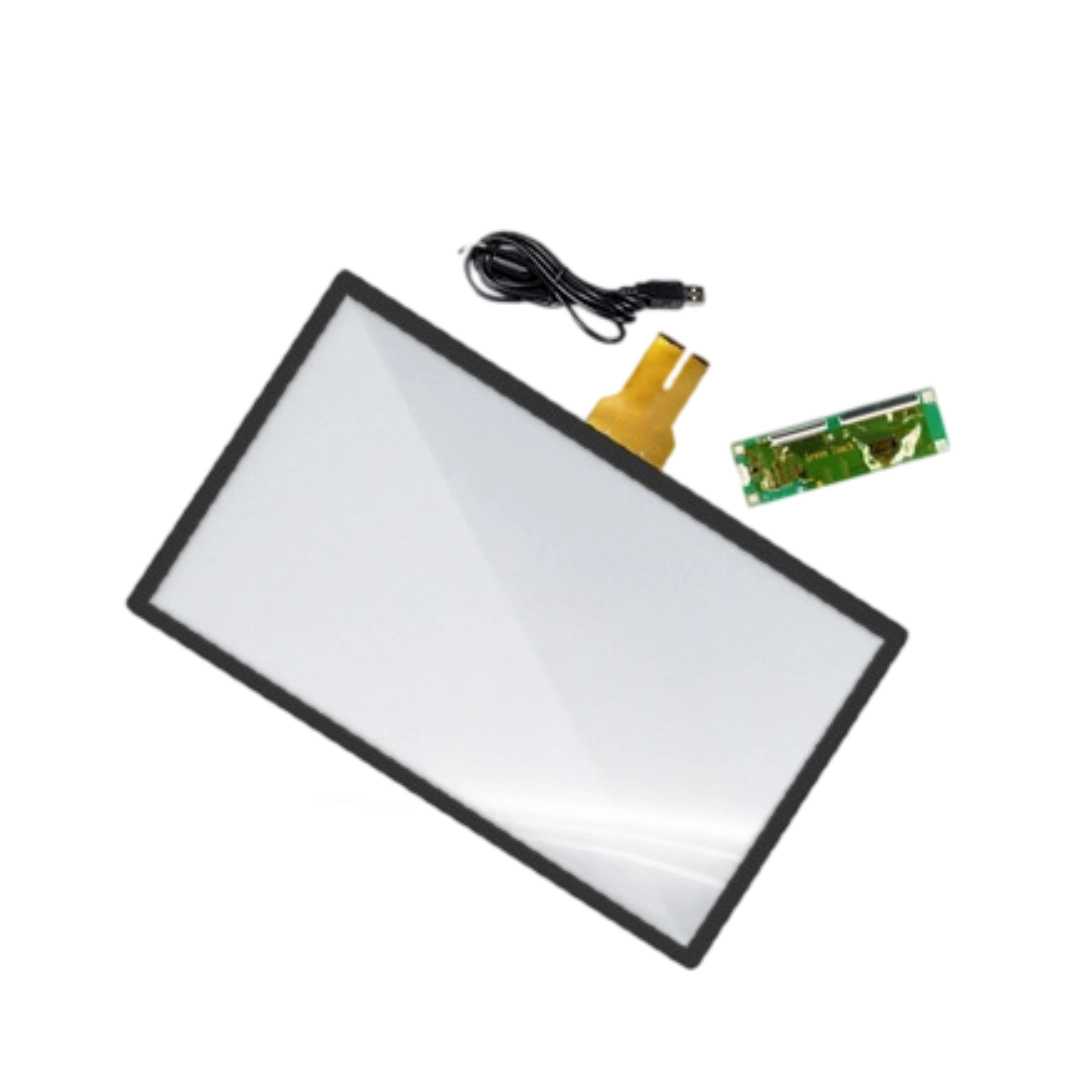
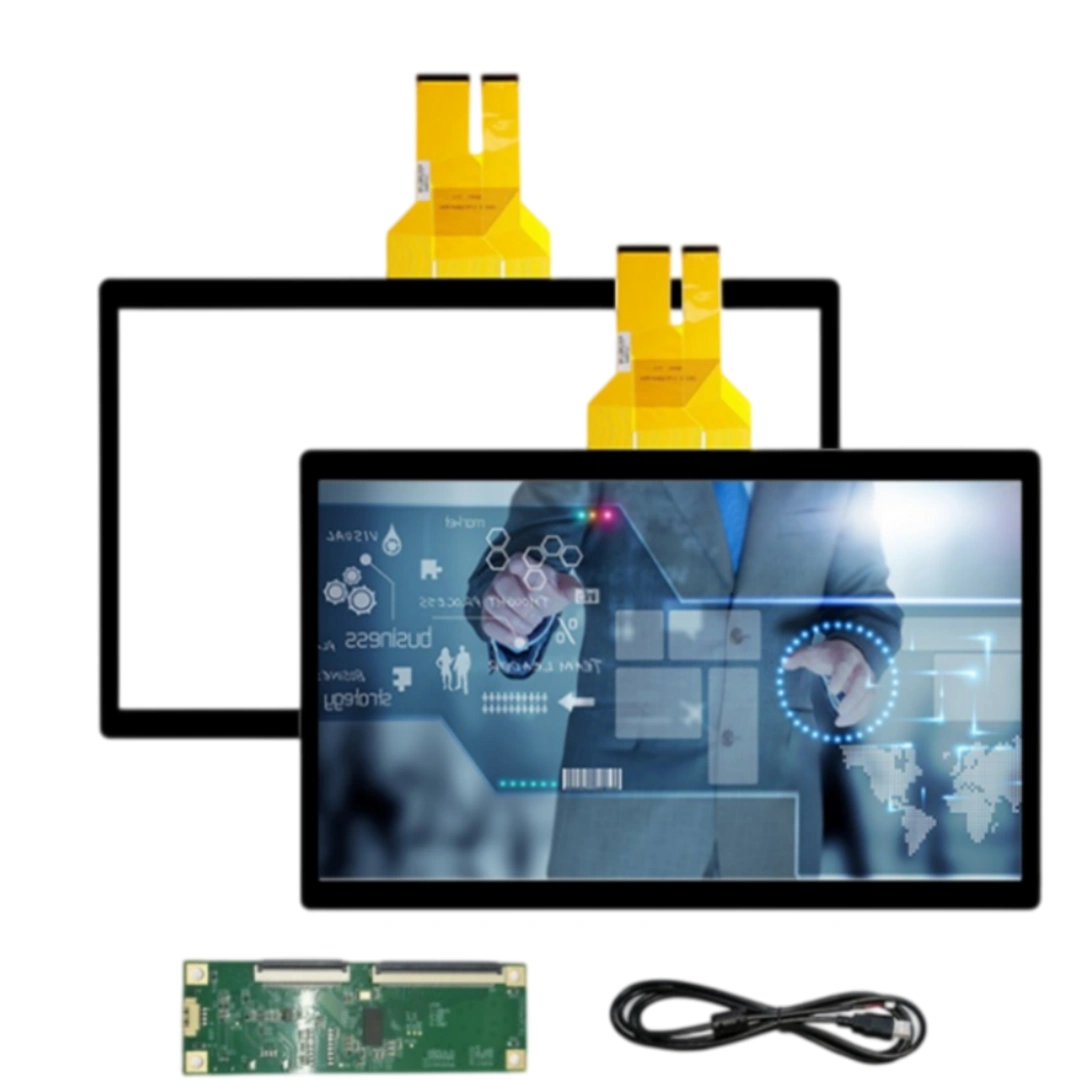
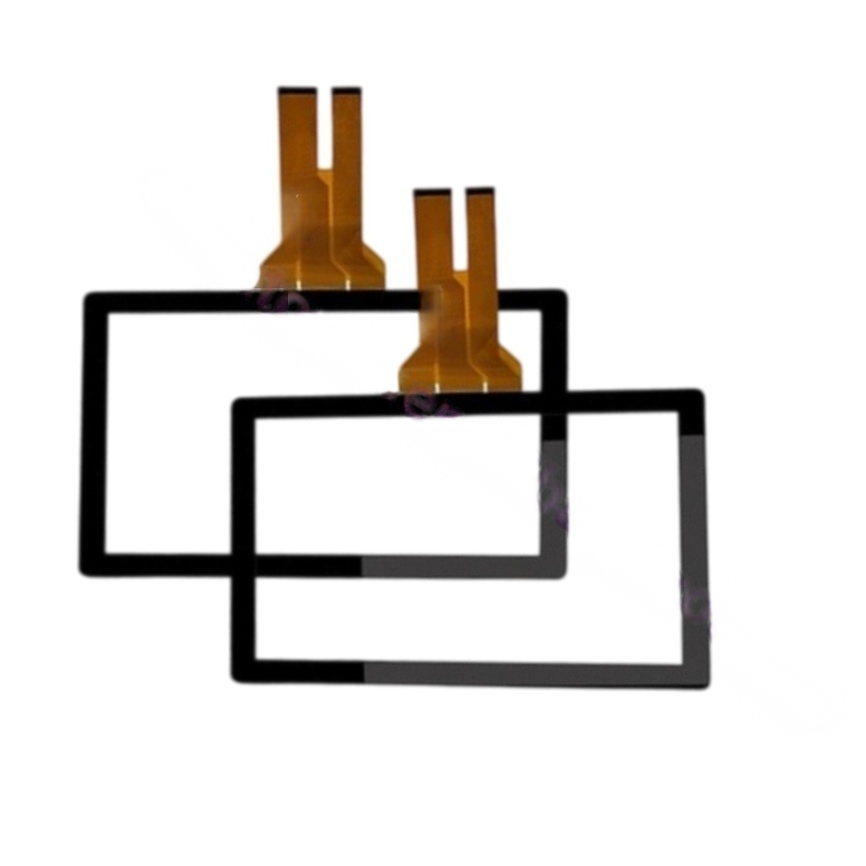
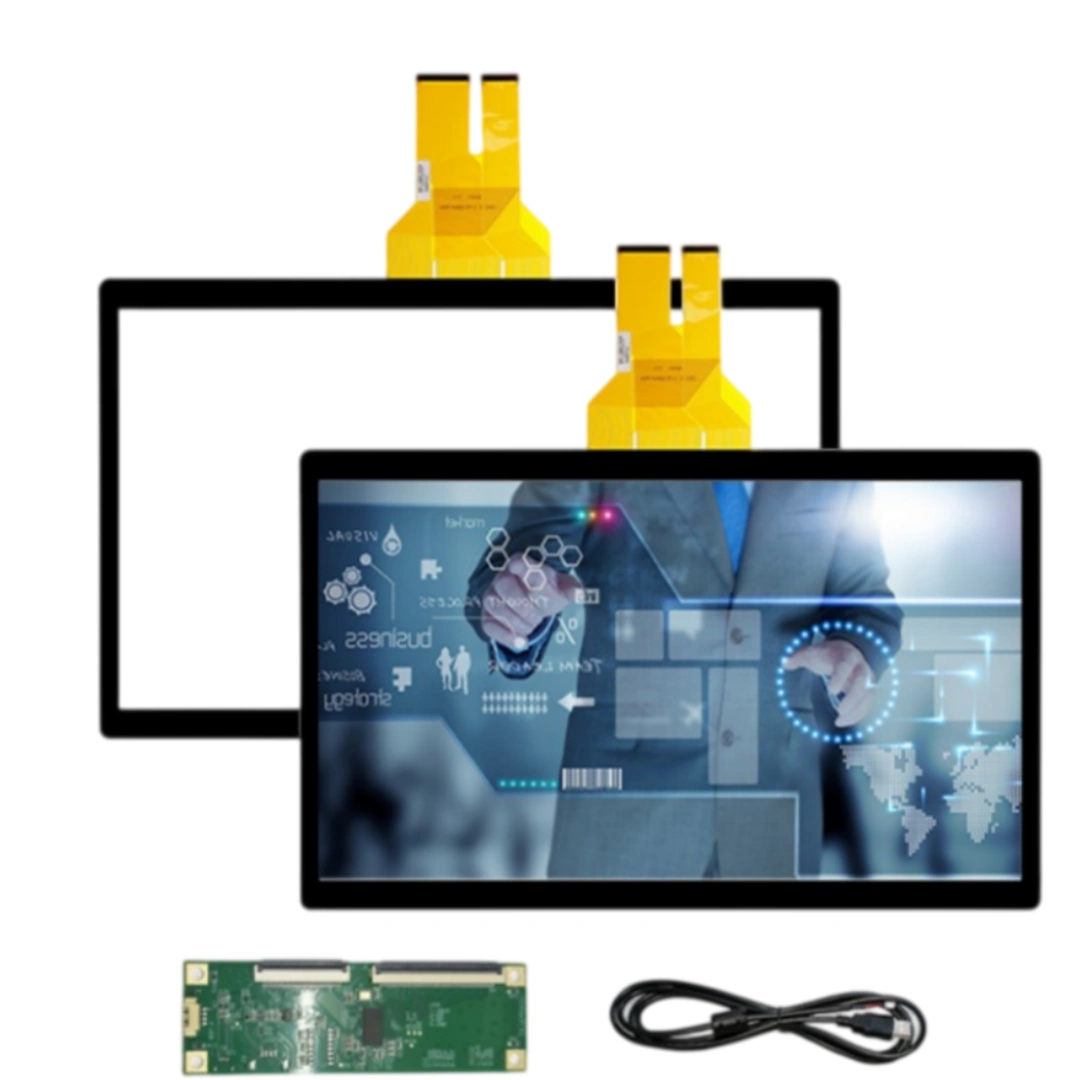
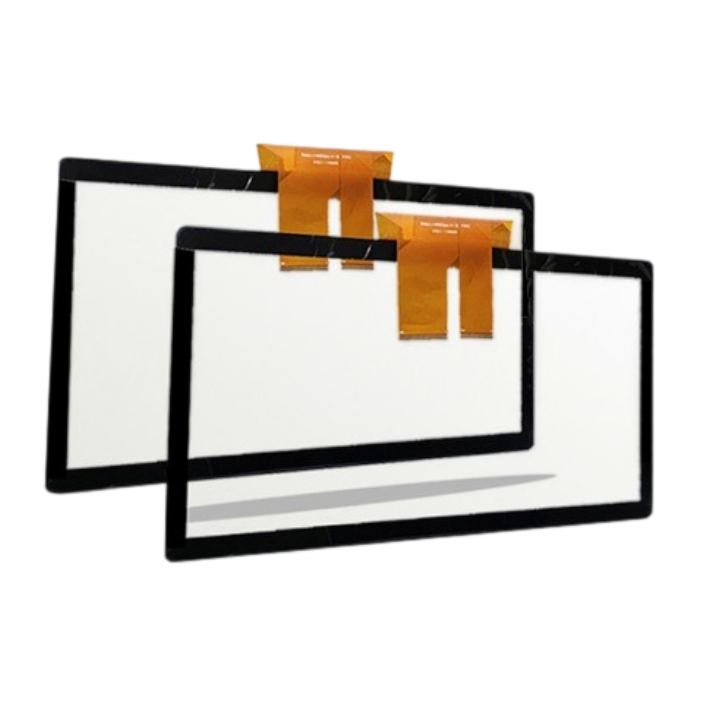
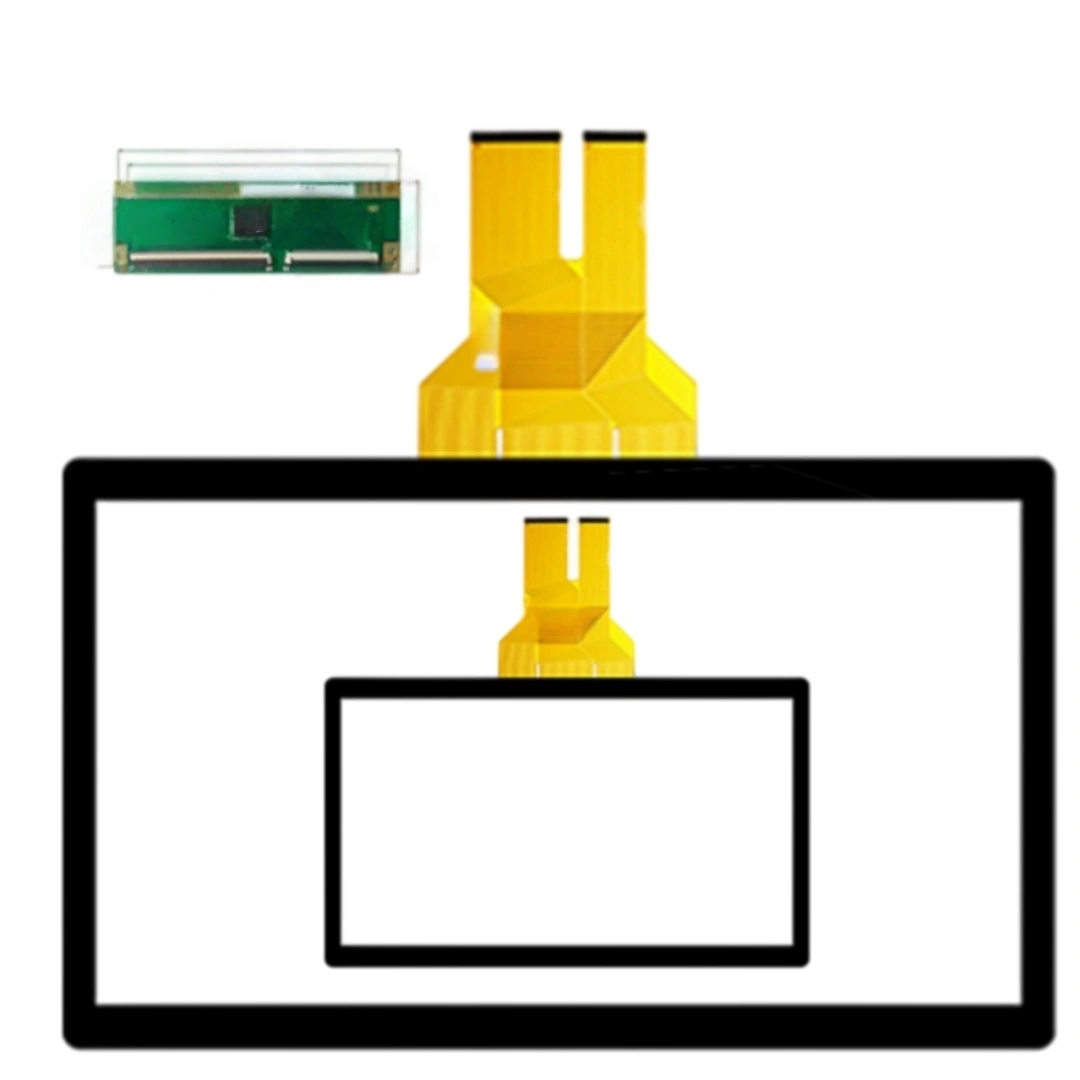
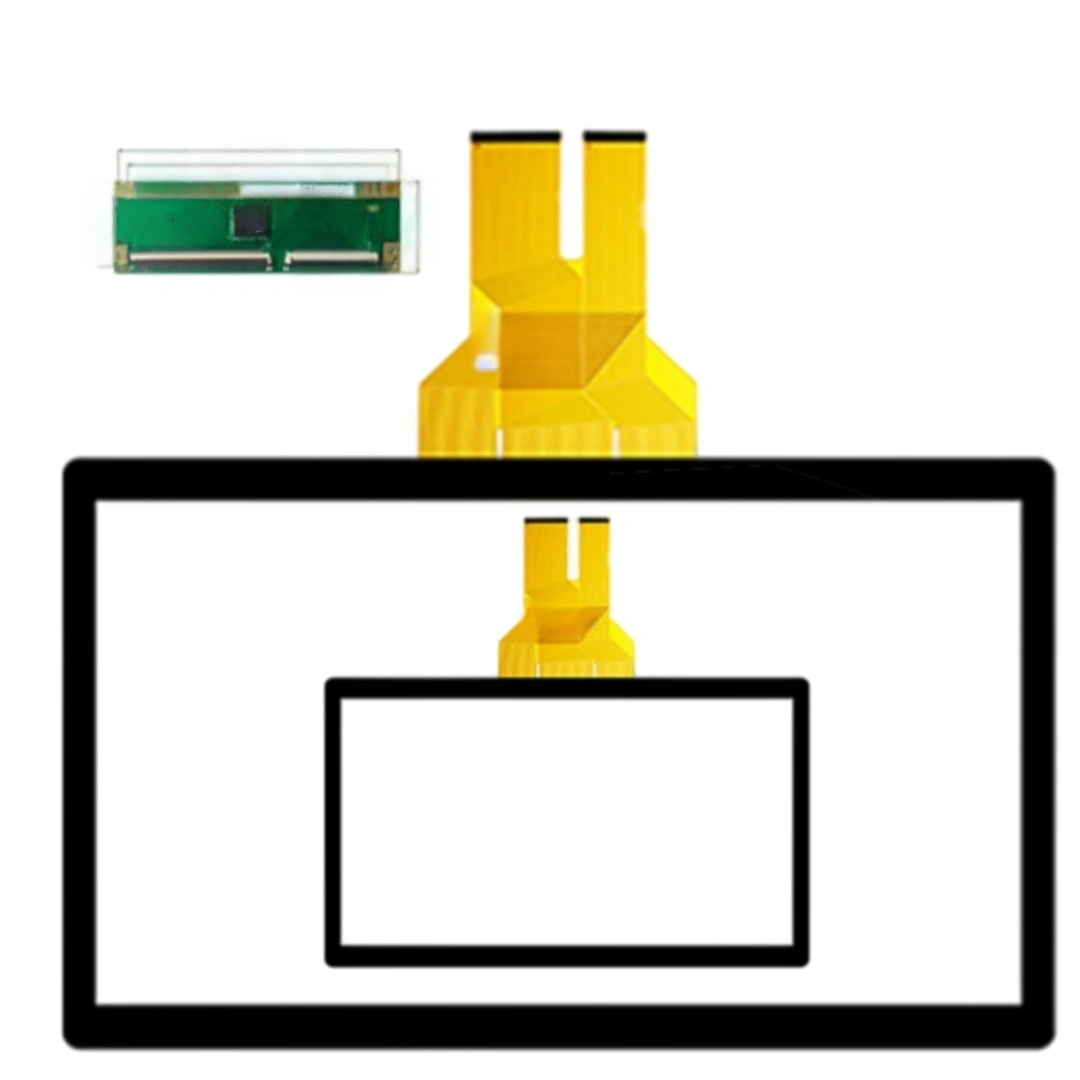
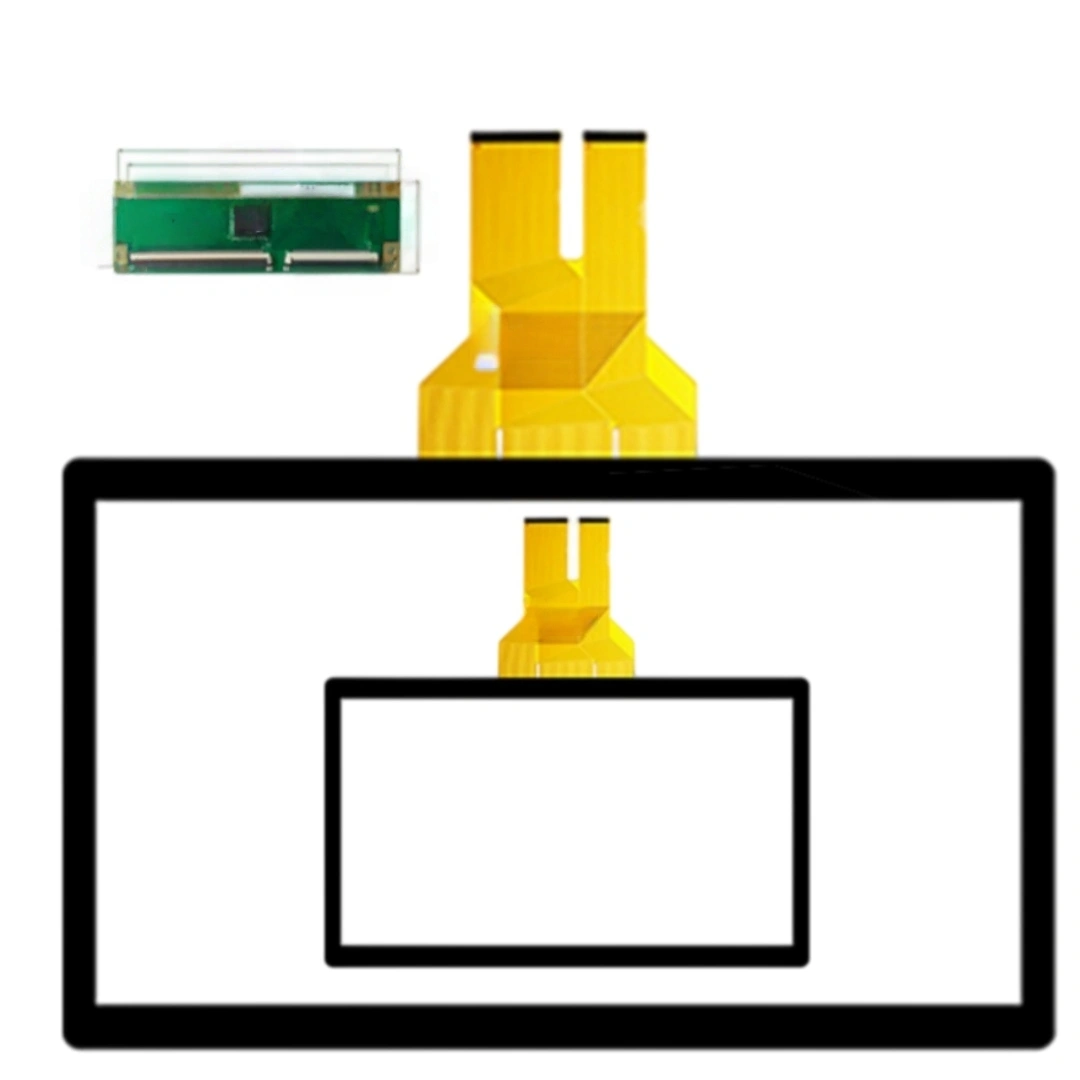
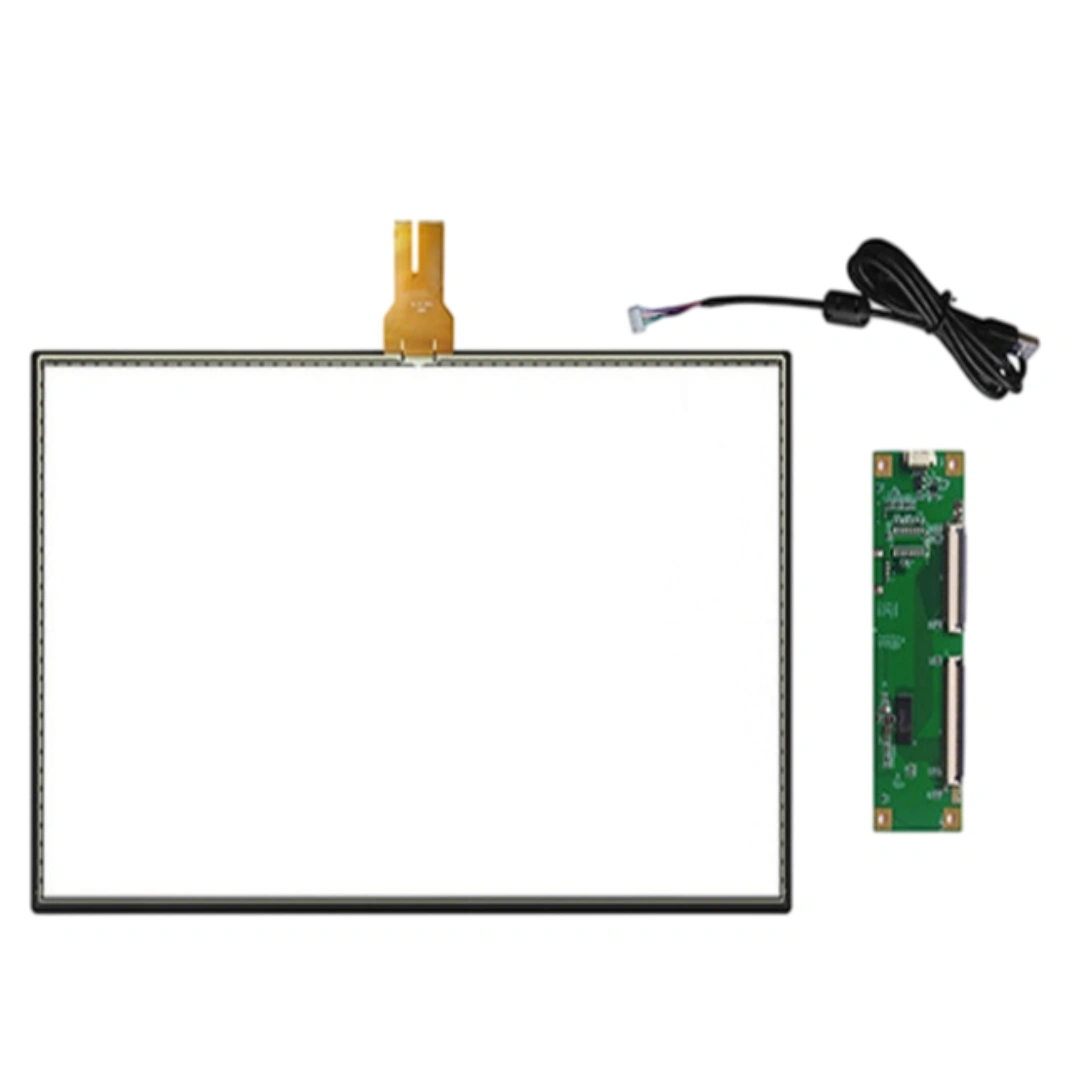
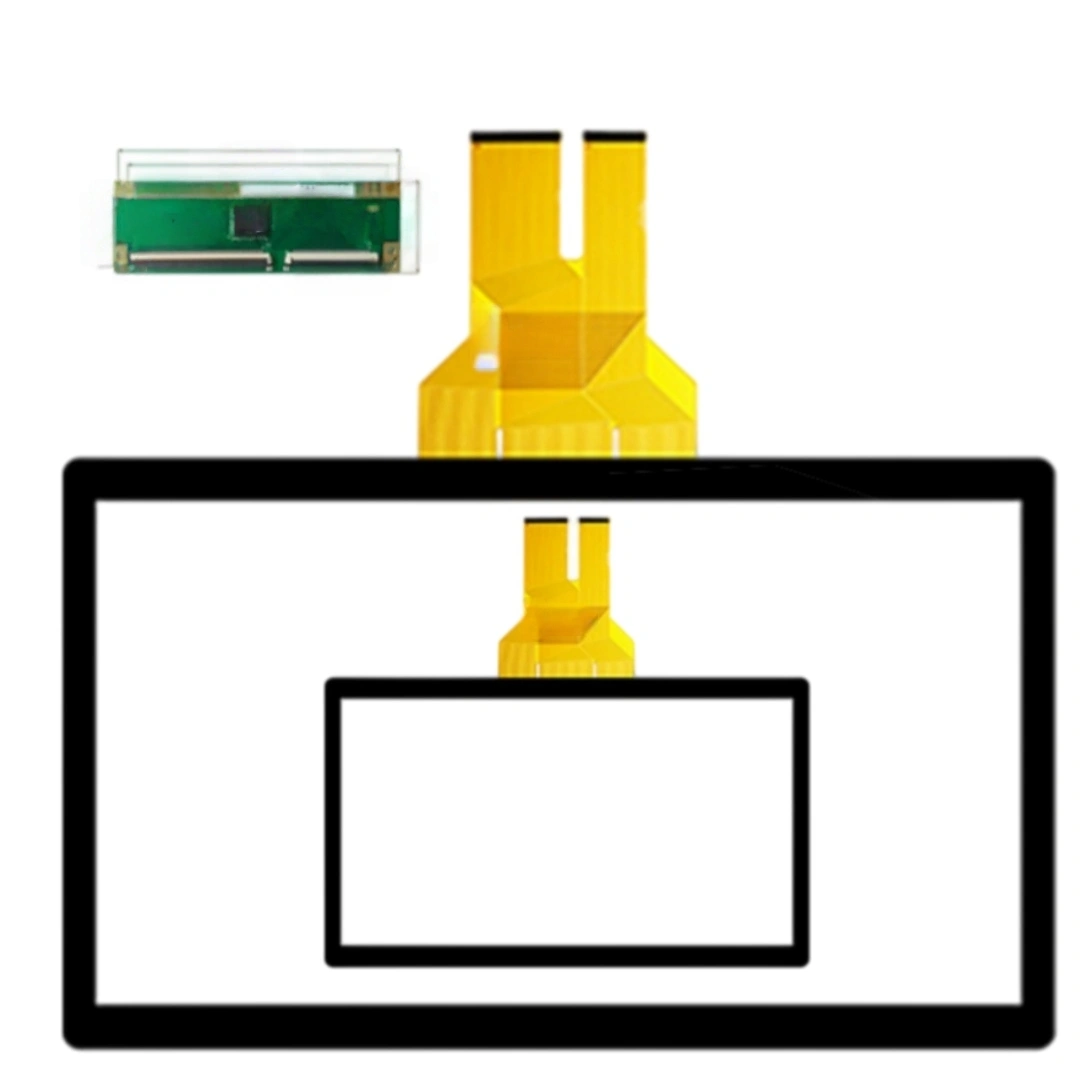
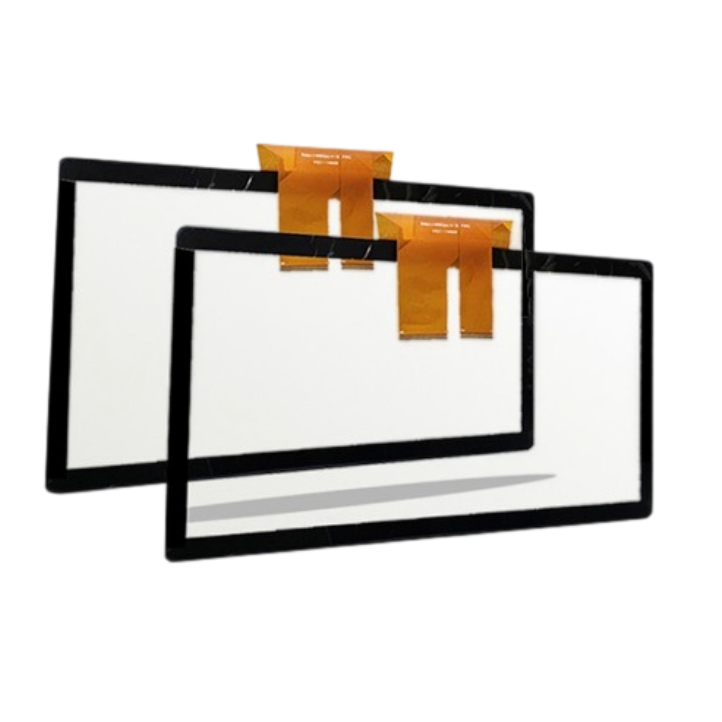
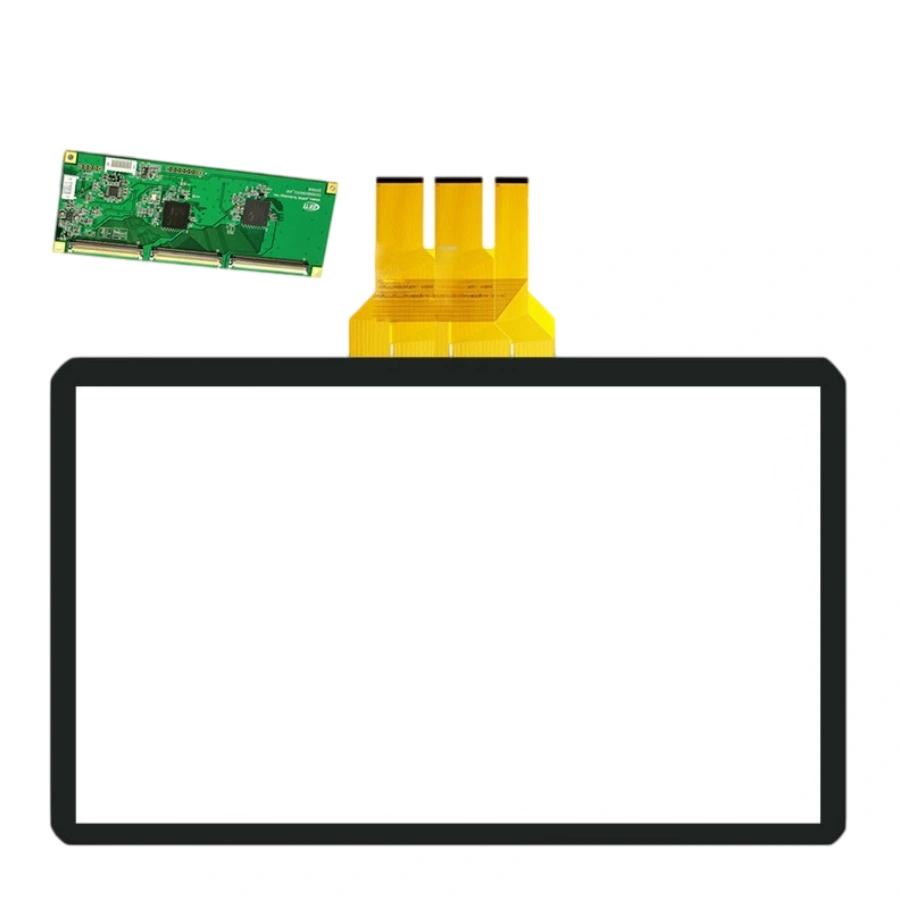
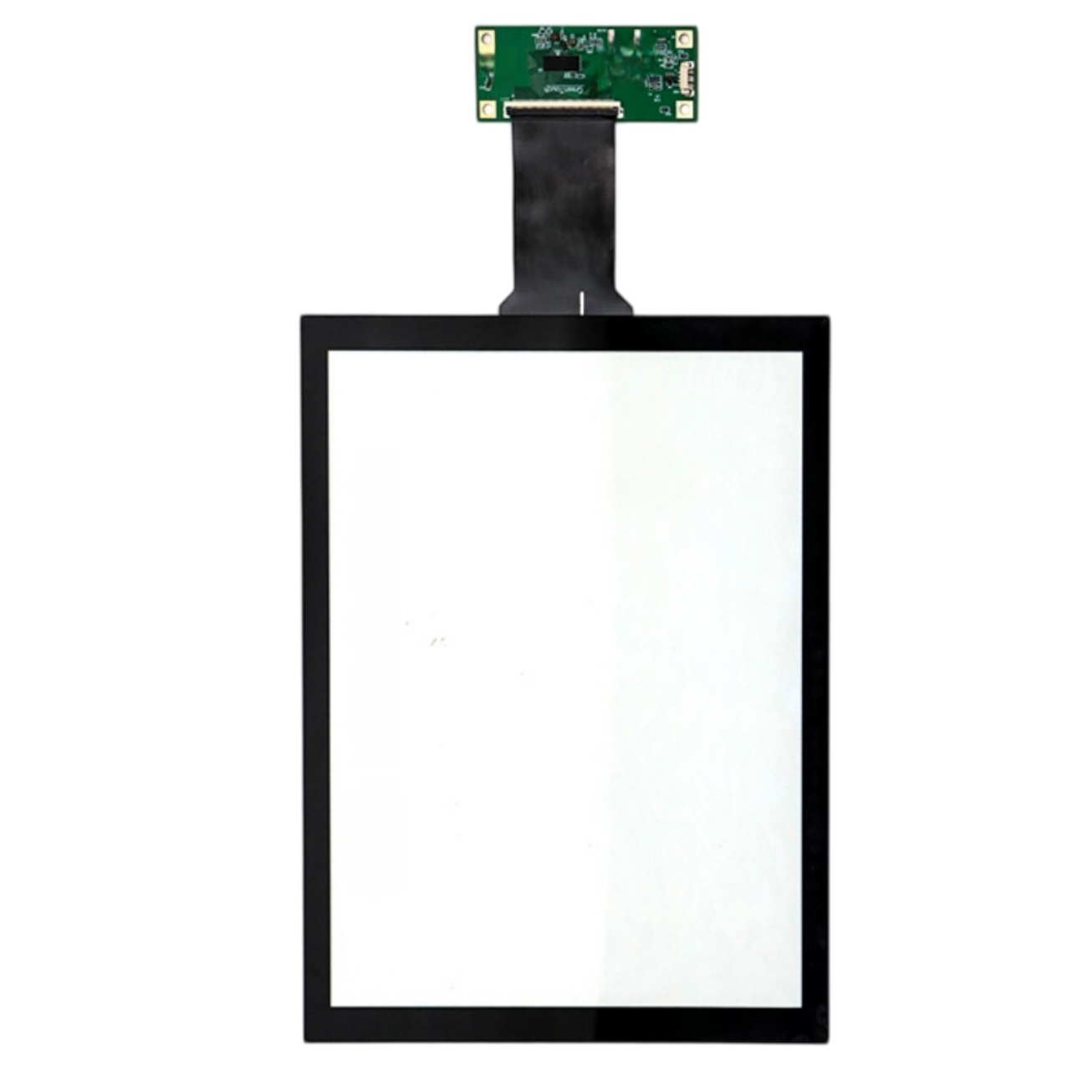
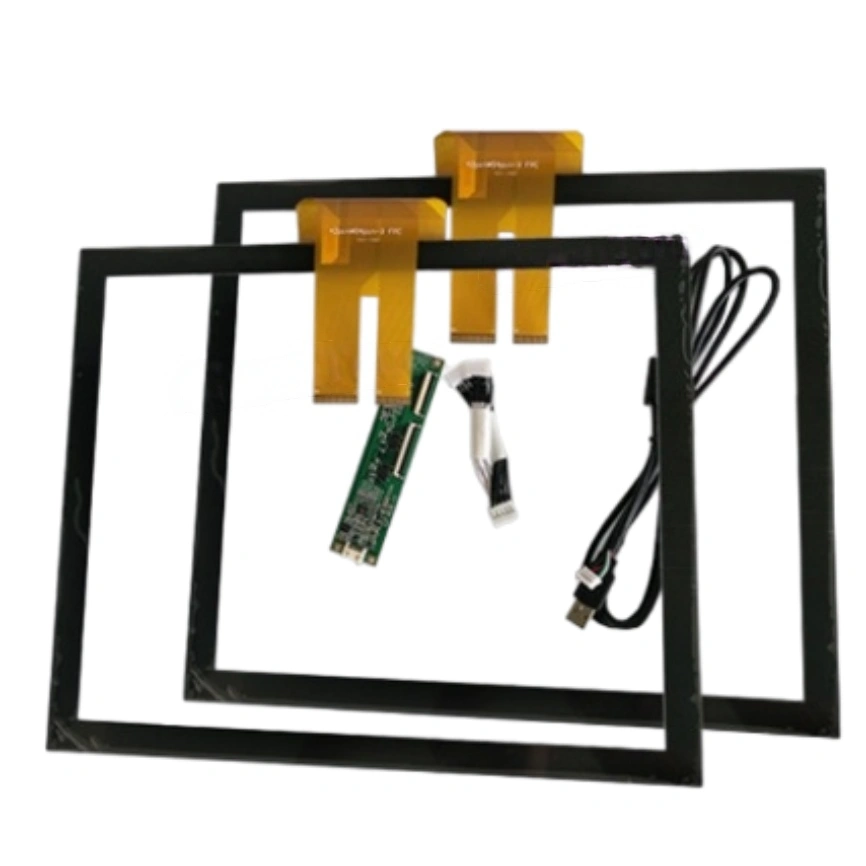
This 24-inch projected capacitive touch screen with USB. The listing specifies a <20 ms response time, 4096 × 4096 touch resolution and >90% transmittance. Listed applications include Industrial touch systems, all-in-one terminals and medical equipment.
Higher light pass means the LCD backlight doesn't have to work as hard to stay readable. In clinical settings that keeps imagery crisp under surgical lights; in factories it holds contrast in bright shops. It also lets you pair the panel with an AG/AR coating without the picture going dim — clarity stays, glare drops.
For touch, 20 ms is still under one 50 Hz frame. Medical interaction is tap-to-confirm, not gaming swipes, so perceived lag is minimal. What matters more clinically is no dropped taps, stable USB HID after power cycles, and consistent coordinates — we prioritize report stability over chasing single-digit ms.
Standard 6H surface tolerates IPA, quaternary ammonium and diluted bleach wipes. For medical rolls we validate the AF/AG stack against your exact disinfectant list and cycle count before MP. Avoid steam autoclave unless specified — tell us your cleaning protocol and we match the coating chemistry.
PCAP reads tiny capacitance, so it's sensitive to power noise and RF. We use a grounded lens border, shielded USB cable, TVS on the data line, and keep the controller away from the LCD logic board and PSU. For IEC 60601-1-2 environments, we pre-scan and tune the baseline with your full system powered on.
Flush edge-to-edge glass with no exposed crevice is the goal. Use a continuous silicone gasket between the cover glass and bezel, not spot seals. The touch sensor sits behind the sealed glass, so wiping liquid never reaches it — but the bezel seam is where ingress happens, so gasket flatness matters more than the panel itself.
Air-gap builds trap moisture and fog between layers. For medical/mobile use we recommend optical bonding: the sensor bonds directly to the LCD, no air cavity, so condensation can't form inside. It also cuts internal reflection, which helps readability under surgical lights.
Drift comes from a shifting baseline, not worn glass. The controller auto-tracks environmental baseline continuously; calibration isn't a one-time event. After thousands of sleep/wake cycles the coordinates stay locked as long as grounding and FPC shielding hold — we verify this in HALT-style thermal cycling before release.
| Screen size | 24 inches |
|---|---|
| Touch screen type | Projected capacitive (PCAP) . |
| Interface and driver | USB . |
| Response time | <20 ms |
| Touch resolution | 4096 × 4096 . |
| Transmittance | >90 % |
| Listed applications | Industrial touch systems, all-in-one terminals and medical equipment . |
| Surface hardness | 6 H |