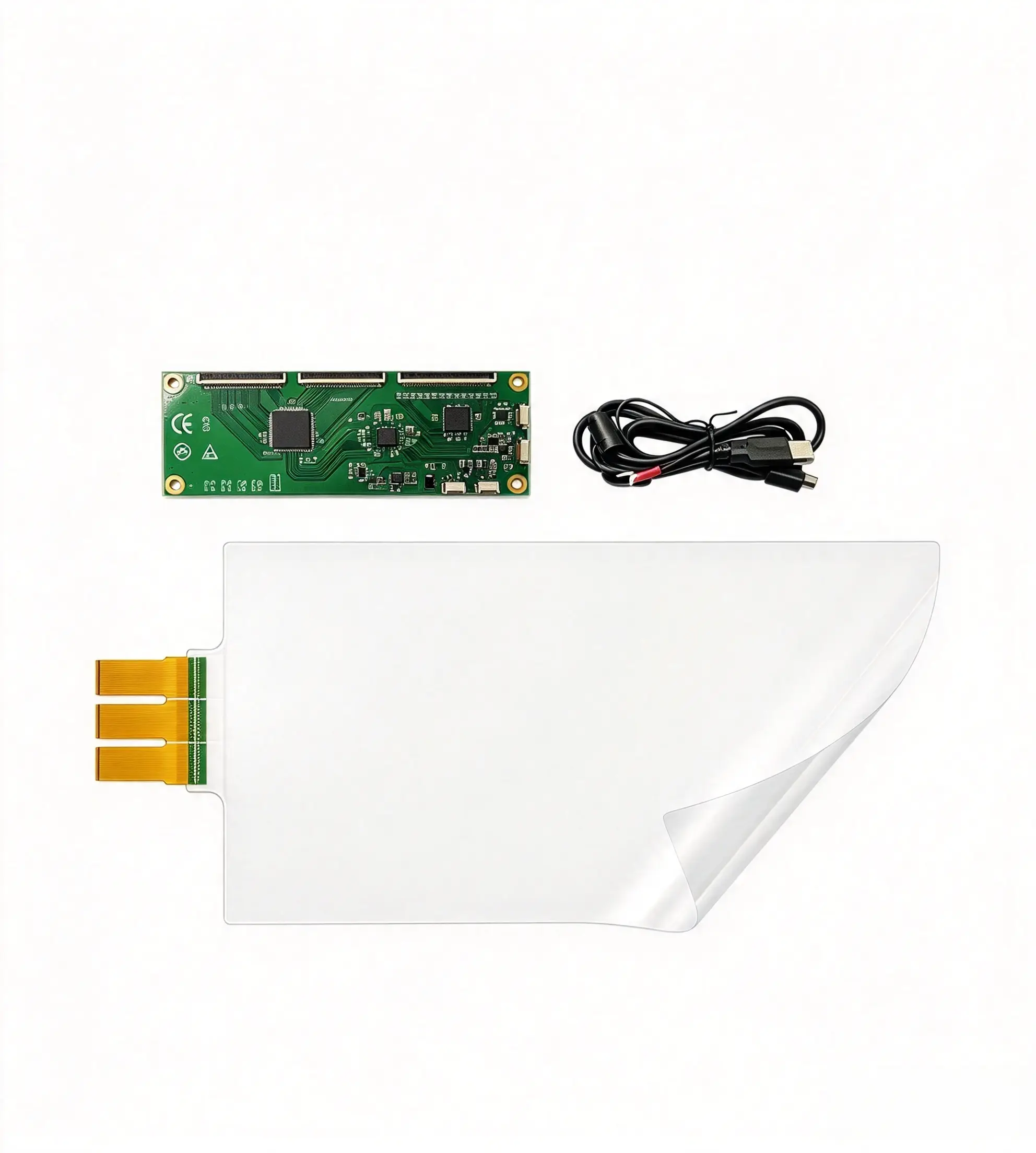
GT-TF-100
View model →
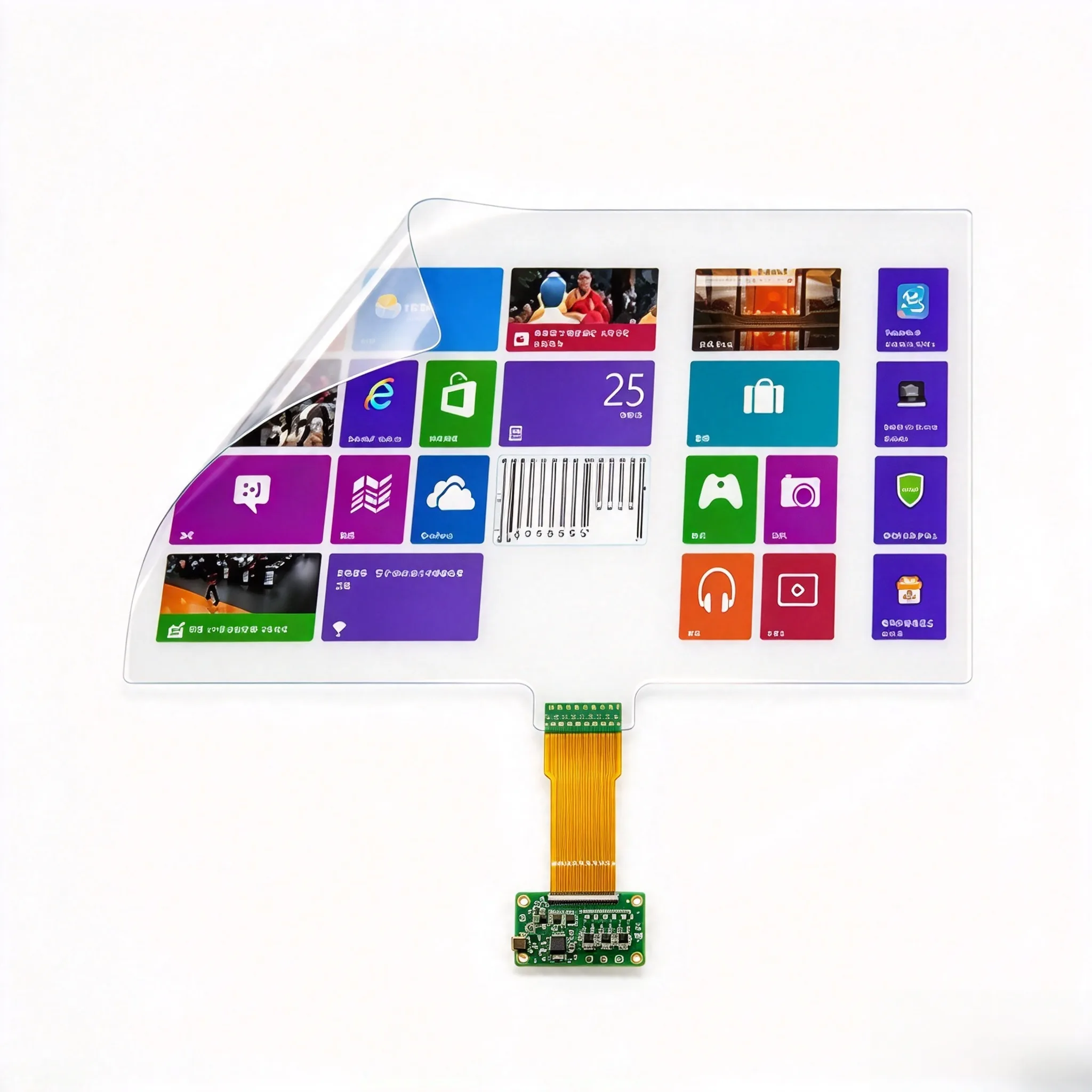
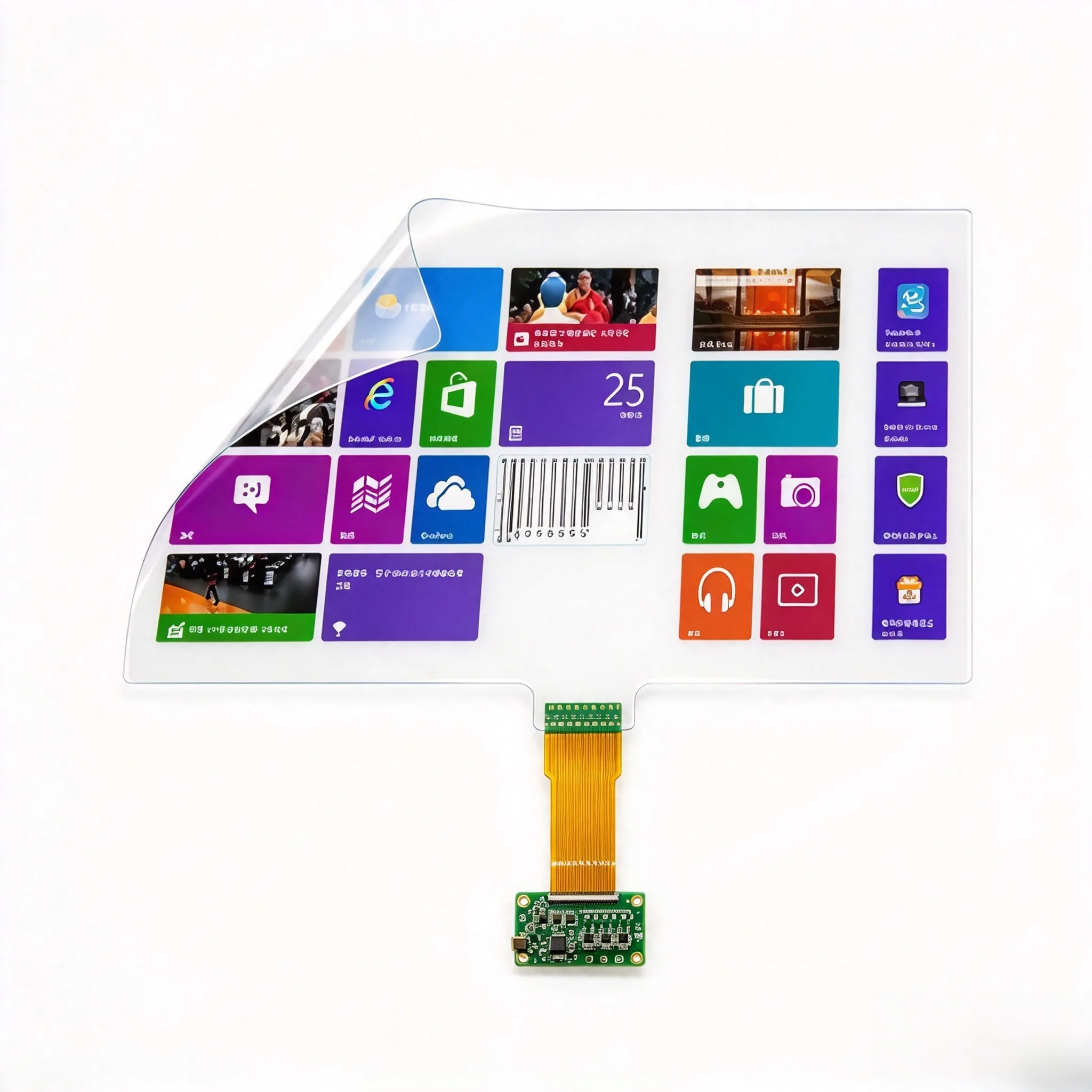
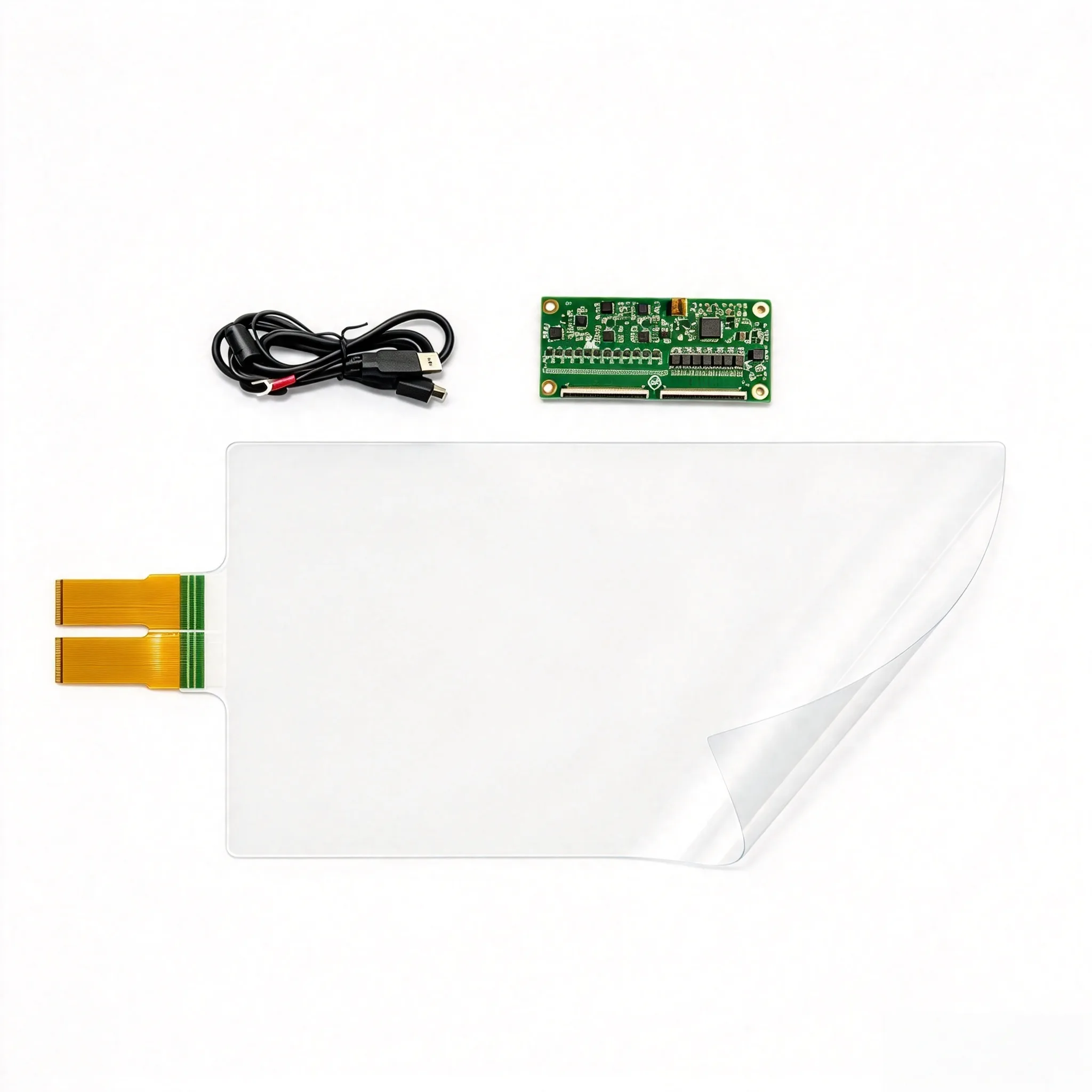
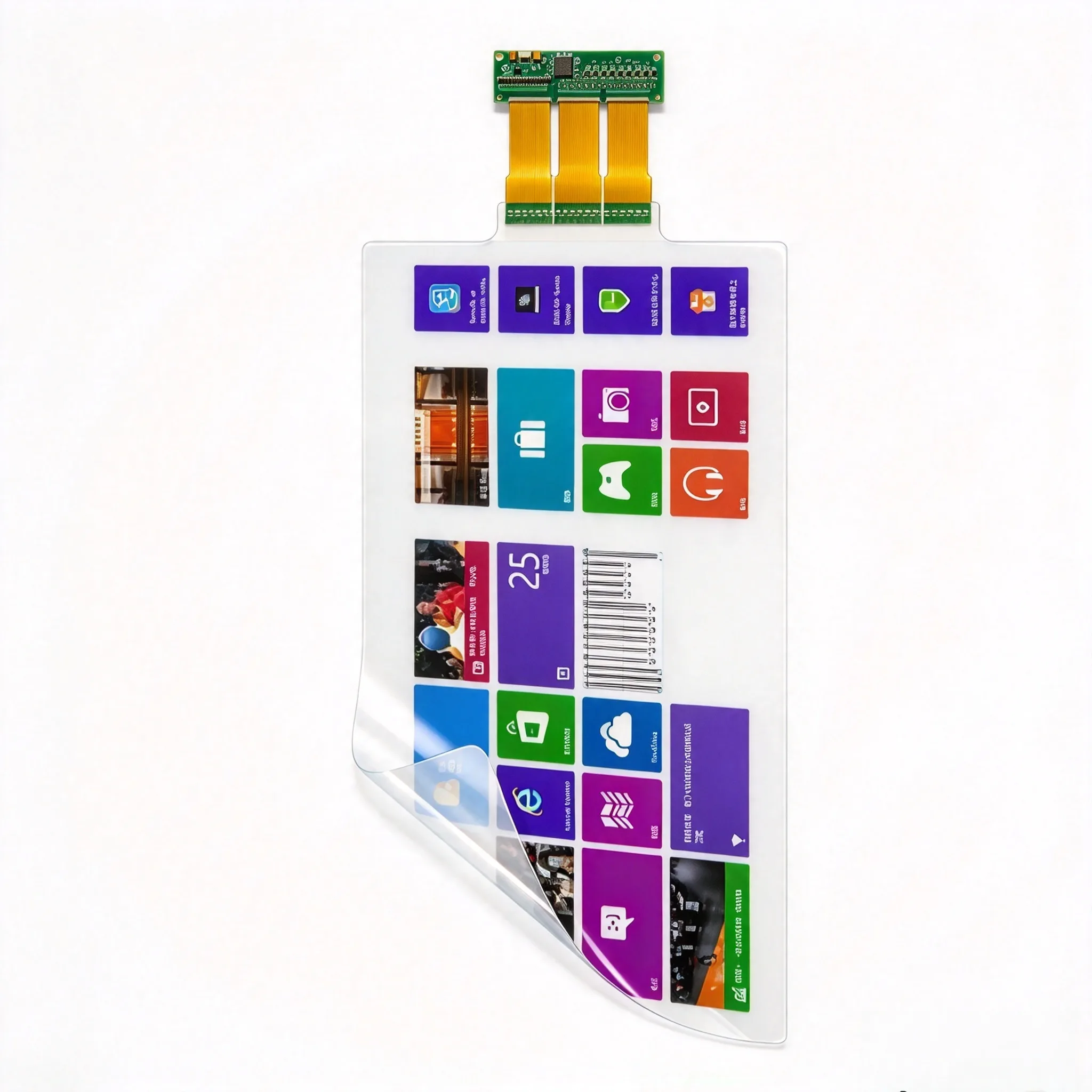
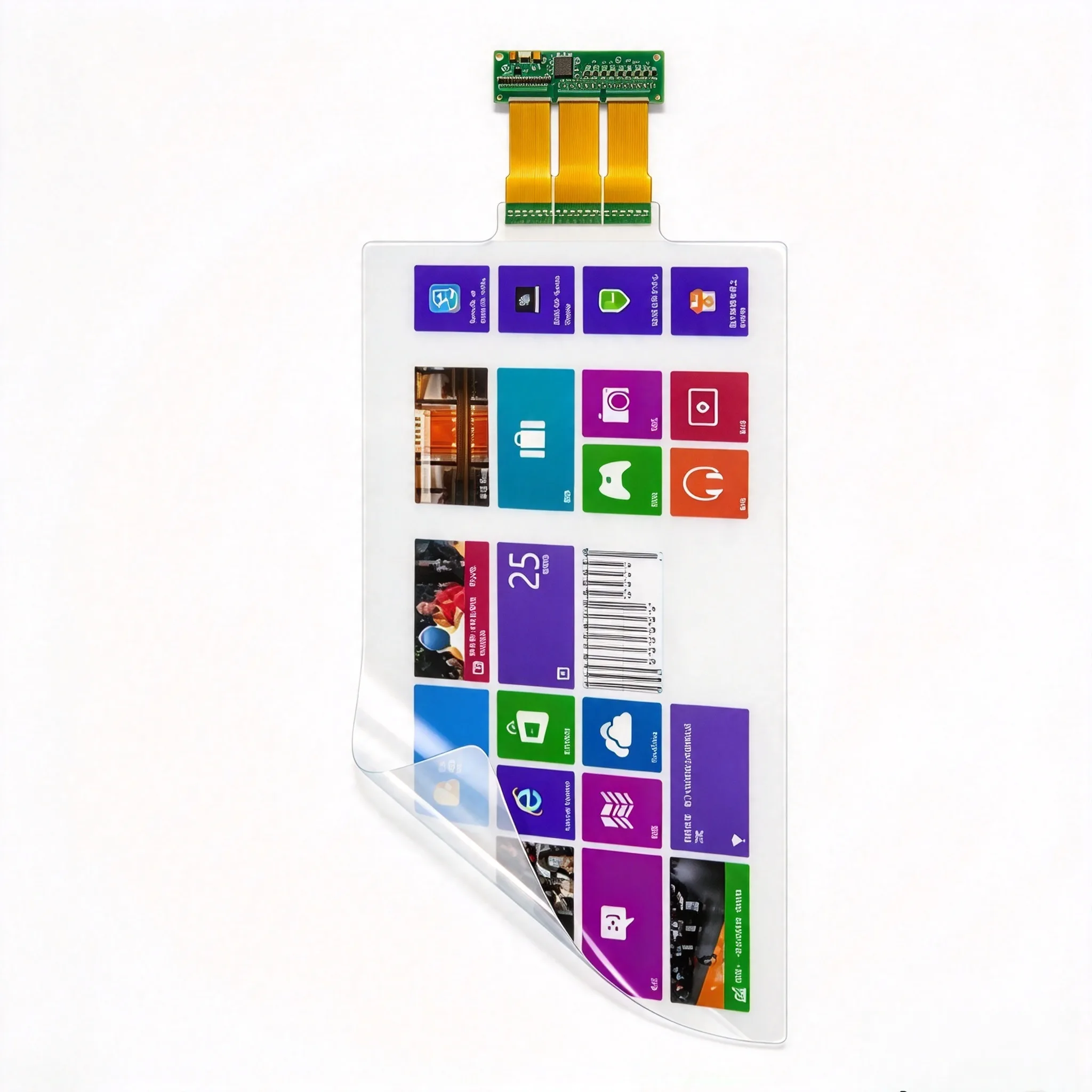
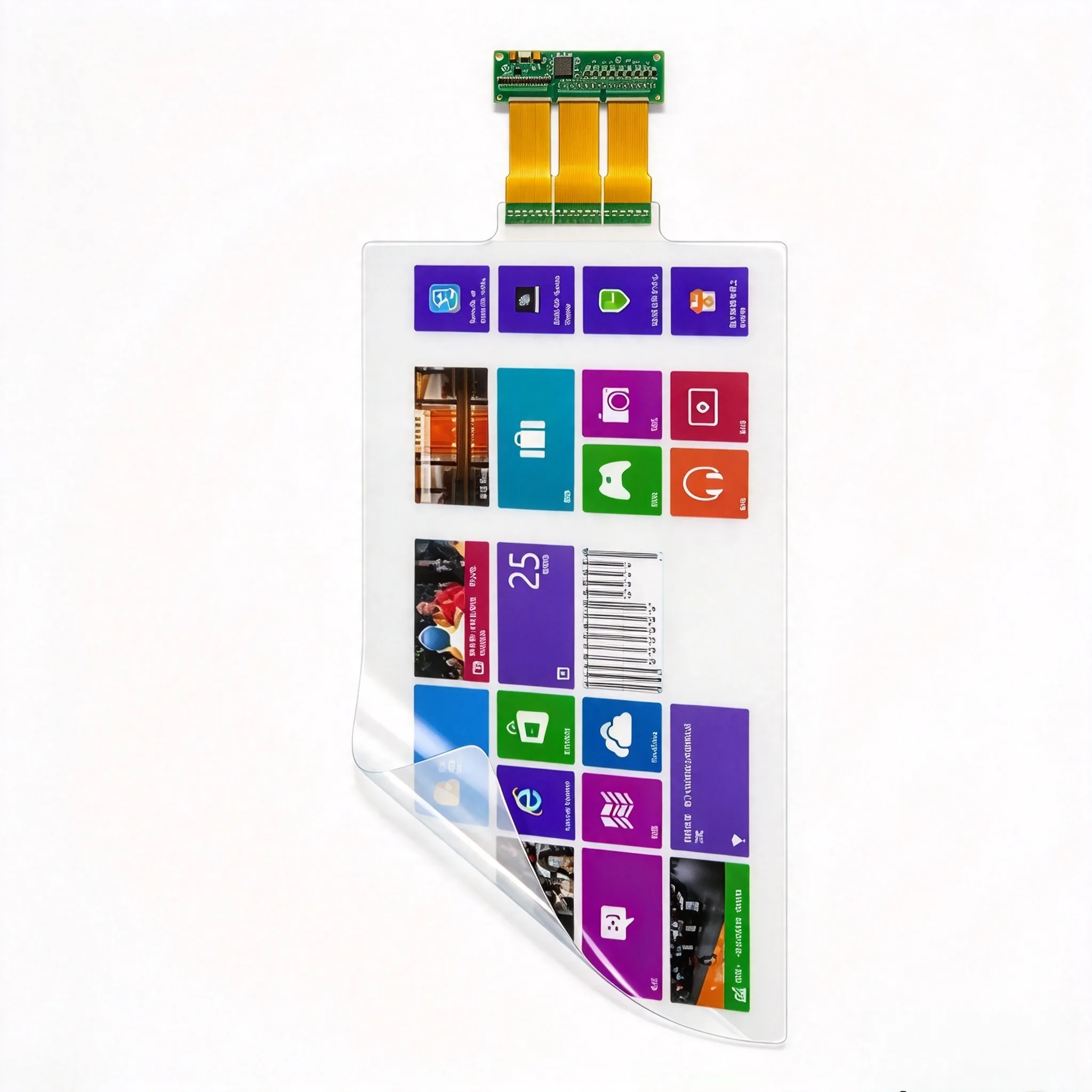
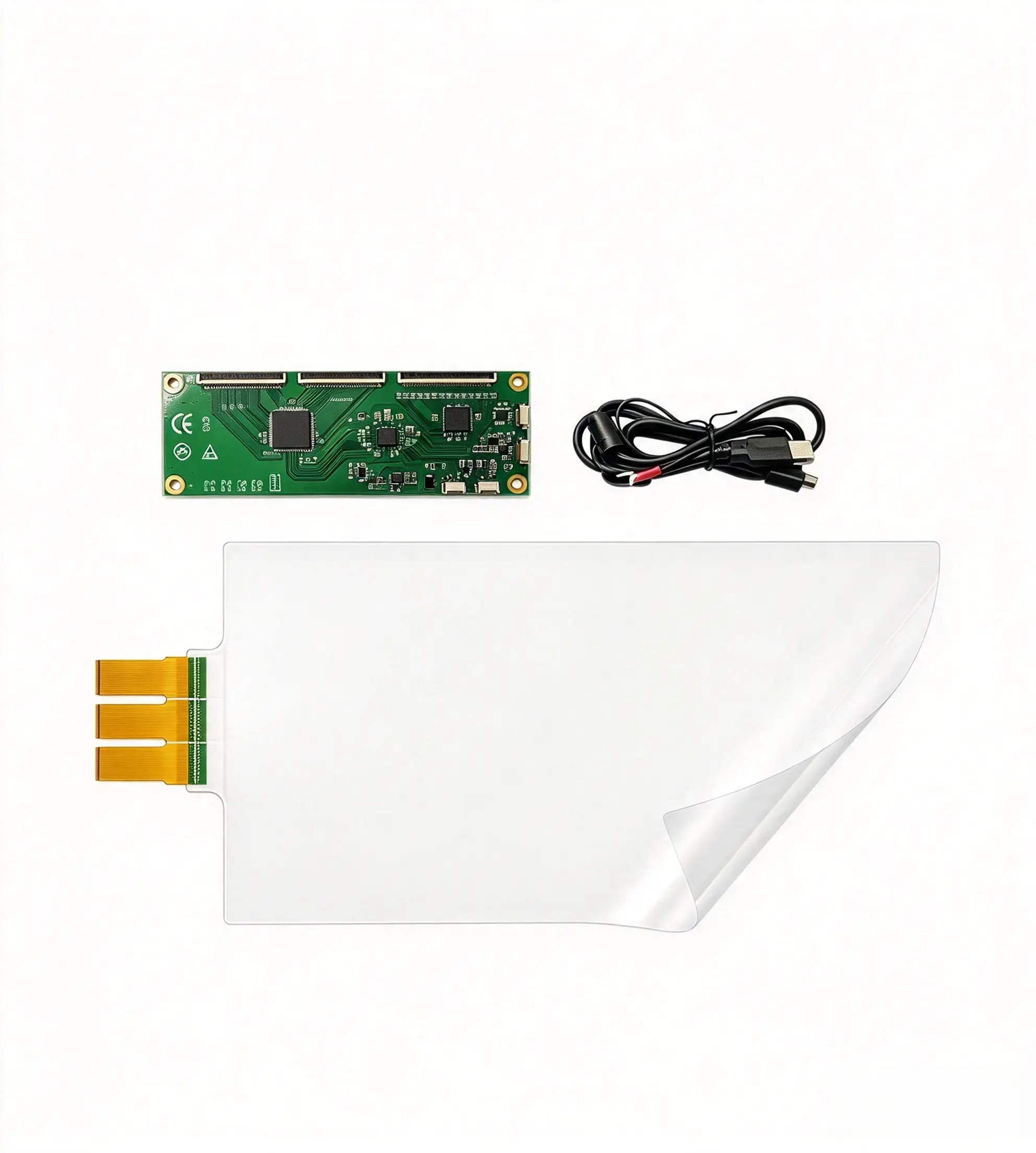
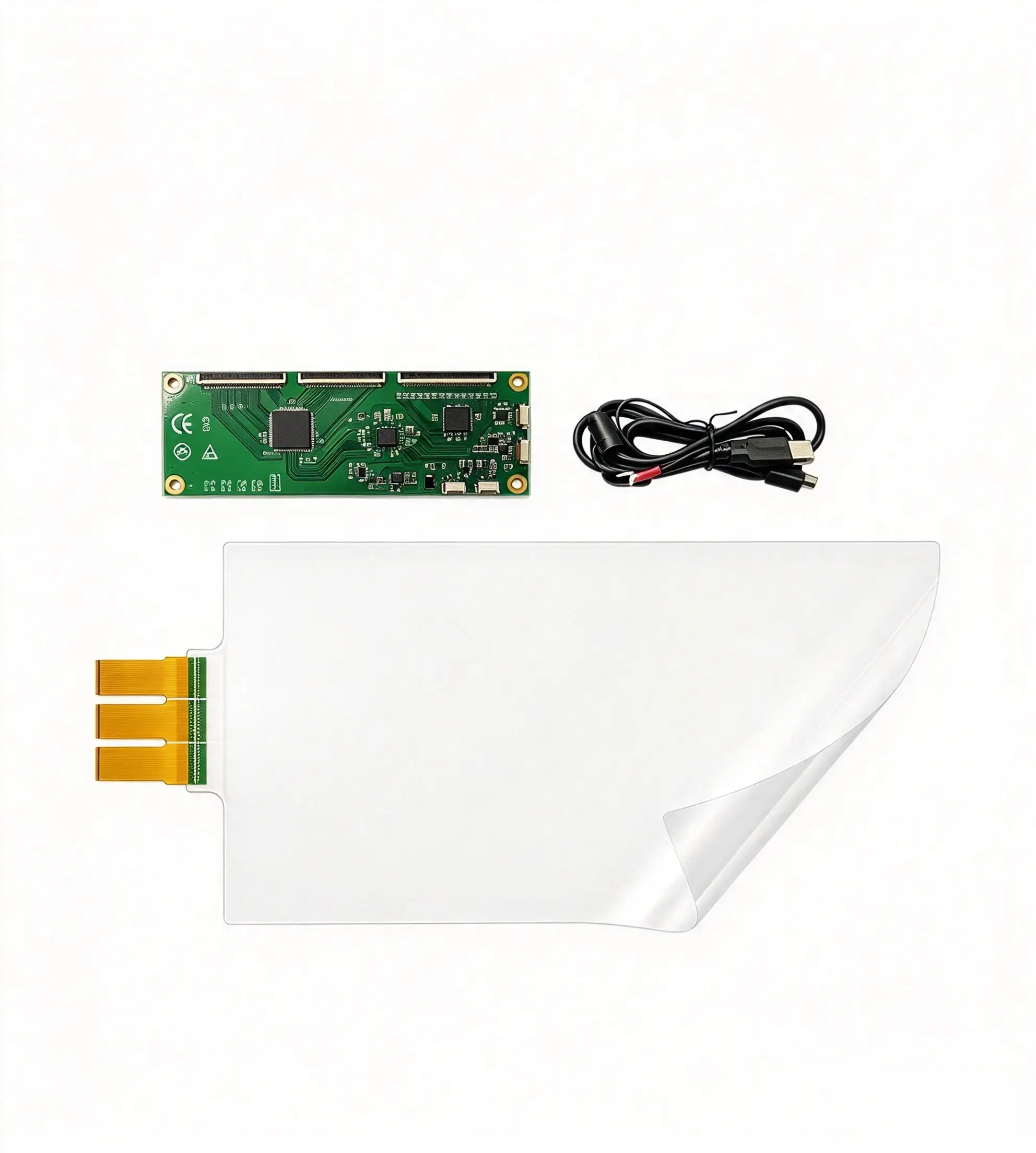
86-inch nano touch foil: XTB 30-point, XTC up to 40-point. For ultra-large interactive windows, command-center large screens and museum giant interactive walls.
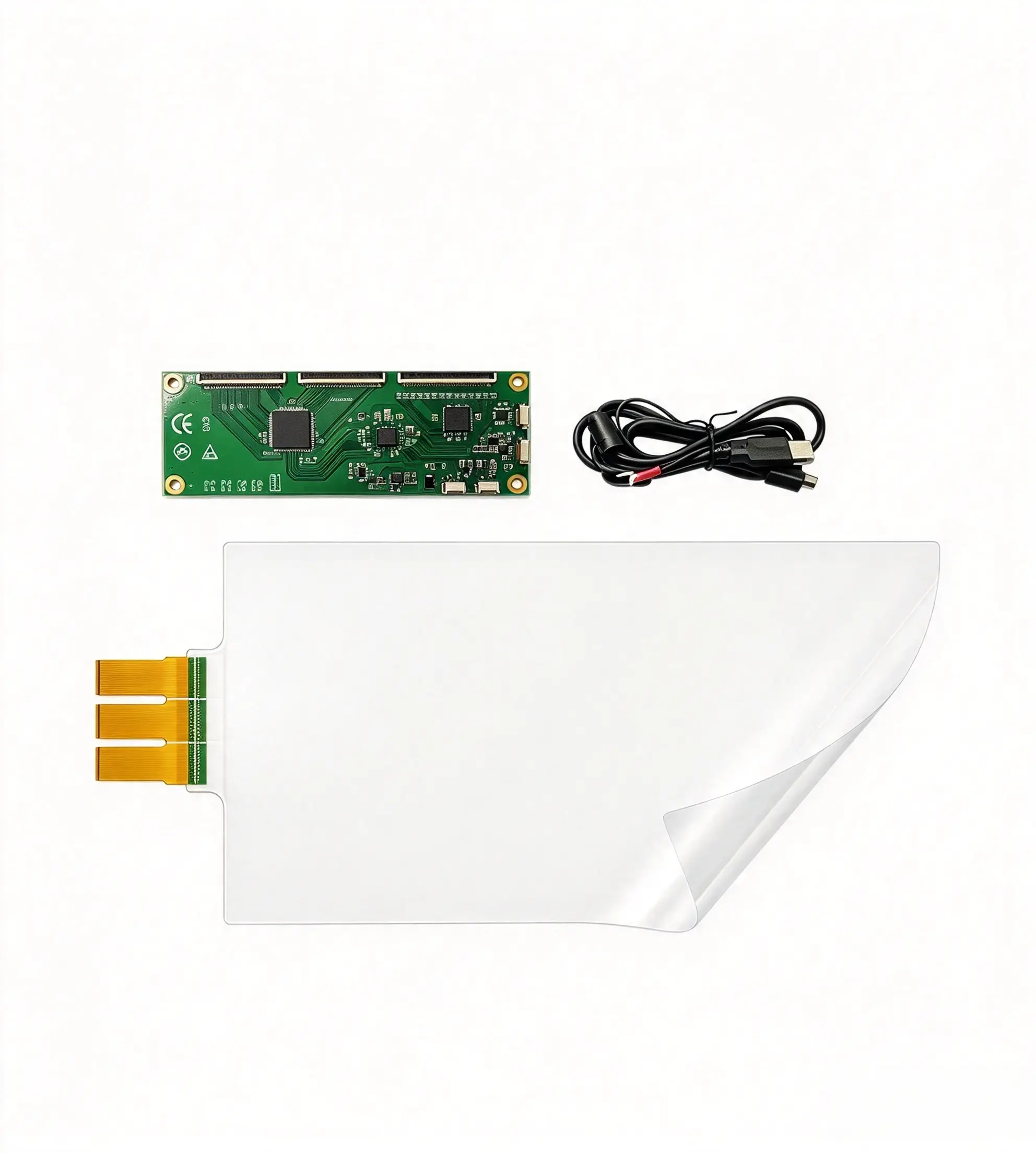
XTB: 55‒86", 30-point; XTC: 86‒200", up to 40-point.
40-point (XTC)
Yes, XTC supports irregular shapes via custom series.
The foil sticks behind existing glass or acrylic; there's no touch glass to mount, no bezel, no cutout. You keep your architectural glass, smart glass or display window as-is, and the touch layer becomes invisible. Best for retrofit projects where the glazing is already specified and you can't change the front surface.
Museum exhibits where 6–8 visitors crowd one window, command-center collaborative walls, retail "everyone tap together" games. 40 points means no dropped fingers when a group piles in — each hand stays tracked. For single-user kiosks it's overkill; for shared public canvas it's the point.
Yes. Nano foil is designed for rear-fit: it reads through tempered glass, laminated glass, even double-glazed units. The key variable is total dielectric stack — send us glass thickness and type, we tune gain so light taps register without false triggers from rain or cleaning on the outer surface.
Run the amplified signal line (not raw USB) over CAT cable or dedicated shielded pair to the host, then convert back to USB at the player. Keep the amplifier powered near the midpoint; don't daisy-chain passive extenders. For permanent installs we pre-map the signal budget against your cable spec before shipment.
XTC series supports irregular shapes. The foil is cut and electrode-routed to your CAD轮廓; touch active area follows the shape, dead border minimized. Curved glass needs a flexible foil variant and a vacuum lamination step — tell us radius and we validate bend tolerance first.
At >93% the foil is visually near-invisible: no tint, no grid reflection under normal light. It keeps the original glass clarity, which matters for shopfront windows, museum showcases and smart-glass partitions where the view-through must stay clean. AG/AR can be added on the outer glass separately if glare control is needed.
8 ms/frame keeps multi-touch smooth even at 40 points; 2.5 W thermal load is negligible, no fan needed. For 24/7 we recommend the controller on a locked USB port with watchdog, and a spare foil in stock — the film itself has no moving parts, but the amplifier and controller are the serviceable bits.
| Size | 86" . |
|---|---|
| Series | XTB (30-pt) / XTC (40-pt) . |
| Touch Points | 30 / 40 . |
| Transmittance | >9 . |
| Accuracy | ≤0.5 mm |
| Scan | 8ms/frame . |
| Power | 5 V |
| Power Consumption | ~2‒2.5 W |
| Transmission | ≤50m (with amp) . |
| Interface | USB 2.0 . |
| Custom | Irregular/non-standard . |
| Certificates | CE, FCC, RoHS, ISO . |